Author:Military Drone Manufacturer TIME:2026-09-06
Introduction
Power and endurance are among the most critical constraints in FPV drone design. Unlike larger unmanned aircraft, FPV drones operate within tight energy and weight limits. Understanding how power systems influence endurance and performance helps clarify both the strengths and limitations of military FPV platforms.
Energy Density and Battery Technology
FPV drones rely primarily on lithium-based batteries to deliver high power output within a compact form factor. Battery energy density directly affects flight time and payload capacity.
Military FPV systems prioritize consistent power delivery and safety over maximum endurance.
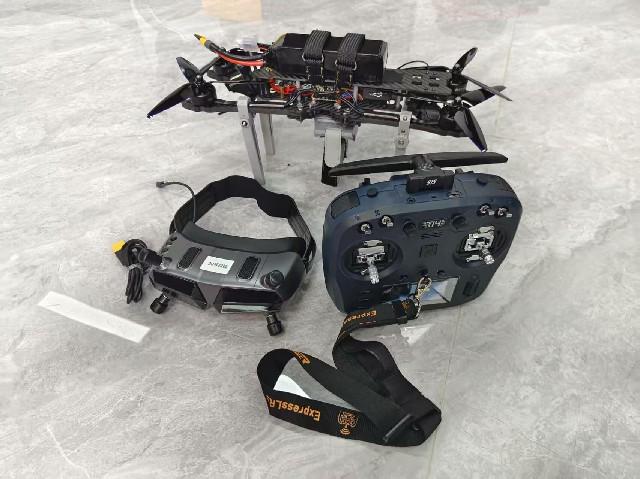
Power Consumption Drivers
Several factors contribute to power consumption, including motor output, propulsion efficiency, onboard electronics, and video transmission.
High-performance maneuvers and sustained high-speed flight significantly increase energy demand, reducing overall endurance.
Trade-Offs Between Endurance and Agility
FPV drones are optimized for agility rather than long-duration flight. Increasing endurance often requires compromises in responsiveness or payload capacity.
Military designers balance these trade-offs based on mission requirements rather than attempting to maximize flight time.
Thermal Management Considerations
High power output generates heat, particularly in motors, electronic speed controllers, and batteries. Effective thermal management supports reliability and performance.
In military FPV drones, thermal stability is essential to prevent performance degradation during intense operation.
Operational Impact of Limited Endurance
Shorter flight times influence mission planning and deployment strategy. FPV drones are typically used for targeted, time-sensitive tasks rather than persistent surveillance.
This operational model aligns with their performance strengths.
Design Strategies for Performance Optimization
Manufacturers optimize performance through lightweight structures, efficient propulsion systems, and streamlined electronics.
These strategies help maximize usable flight time without sacrificing control quality.
Conclusion
Power and endurance limitations define the operational profile of FPV drones. By understanding these constraints, military users and manufacturers can better align system design with mission needs, ensuring effective use of FPV platforms in tactical environments.

 Tel: +86-13959965075
 Email: info@fpvdroneskit.com
 MP/WhatsApp: +86-13959965075
 Manufacturer Address:Quanzhou Valley Nanan Science and Technology Innovation Center, No. 89 Shijing Avenue, Shijing Town, Nanan City, Fujian Province