Author:Military Drone Manufacturer TIME:2026-09-06
Introduction
GPS-denied environments are increasingly common in modern military operations. Jamming, interference, and terrain constraints can all limit the availability of satellite navigation. FPV drones are particularly well suited to operate under these conditions due to their control model and system design.
Reduced Dependence on Satellite Navigation
Unlike many autonomous UAVs, FPV drones do not rely heavily on GPS for navigation. Their operation is primarily based on real-time visual input and manual control.
This reduced dependence allows FPV platforms to remain effective even when satellite signals are unavailable or unreliable.
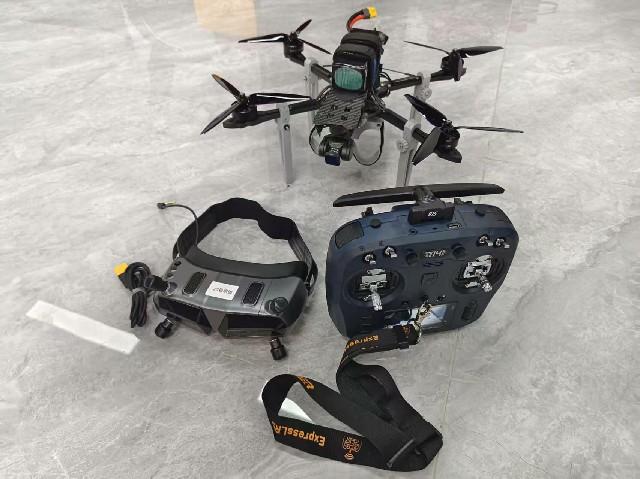
Inertial Measurement Systems
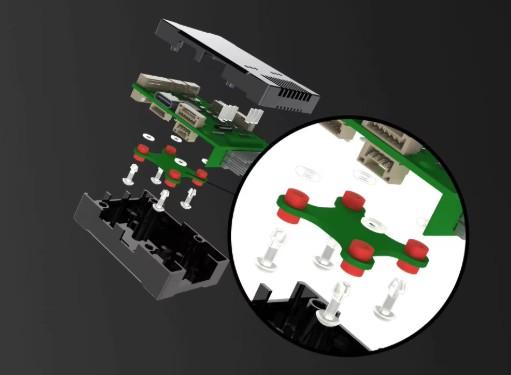
FPV drones rely on inertial measurement units to maintain stability and orientation. Gyroscopes and accelerometers provide continuous motion data independent of external signals.
These sensors enable controlled flight without positional references from GPS.
Visual Navigation and Operator Judgment
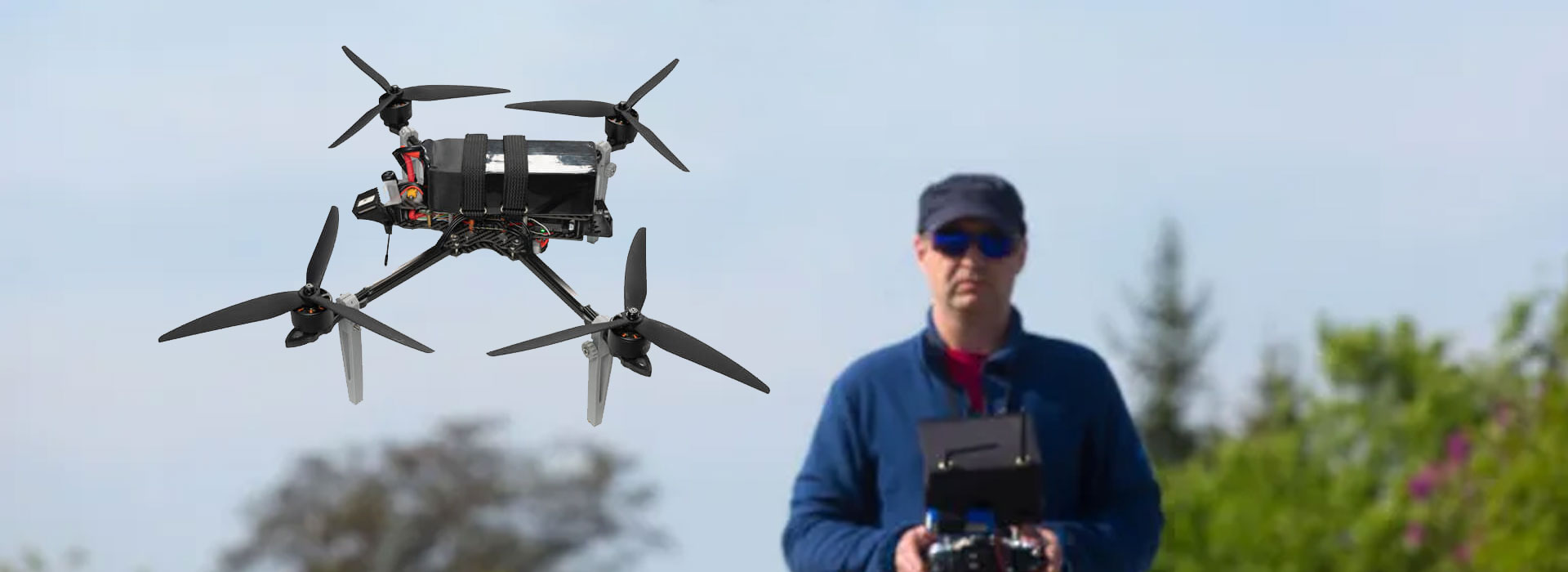
In GPS-denied environments, operators navigate using live video feedback. Visual landmarks, terrain features, and relative motion guide flight decisions.
Human judgment plays a central role in adapting to changing conditions, compensating for the absence of automated navigation aids.
Control Stability Without Absolute Positioning
FPV flight control systems are designed to stabilize the aircraft rather than maintain a fixed geographic position. This approach suits GPS-denied operations.
The drone responds to pilot input and inertial feedback, ensuring predictable behavior without external reference points.
Operational Advantages in Contested Environments
Operating without GPS reduces vulnerability to satellite disruption. FPV drones can continue missions in environments where other UAVs may lose functionality.
This resilience makes FPV platforms valuable in contested or electronically degraded areas.
Training and Skill Requirements
GPS-denied operation places greater demands on operator skill. Pilots must interpret visual cues accurately and manage flight dynamics manually.
System simplicity and responsive controls help reduce cognitive load during such operations.
Conclusion
FPV drones operate effectively in GPS-denied environments by relying on inertial systems, visual navigation, and human control. Their design aligns well with the realities of modern military environments where satellite navigation cannot be assumed.

 Tel: +86-13959965075
 Email: info@fpvdroneskit.com
 MP/WhatsApp: +86-13959965075
 Manufacturer Address:Quanzhou Valley Nanan Science and Technology Innovation Center, No. 89 Shijing Avenue, Shijing Town, Nanan City, Fujian Province