Author:SOP Work Pods Manufacturer TIME:2025-12-24
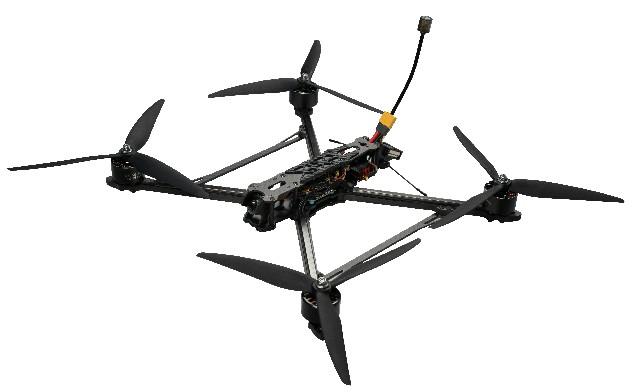
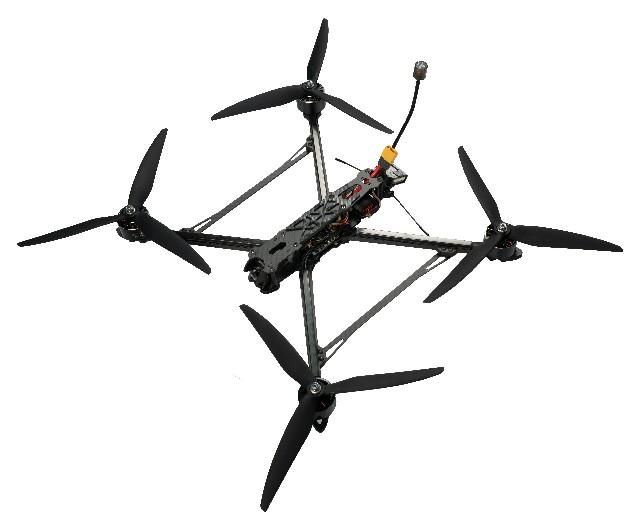
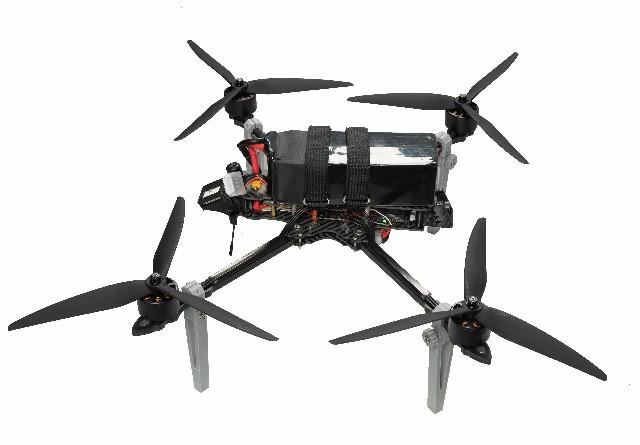
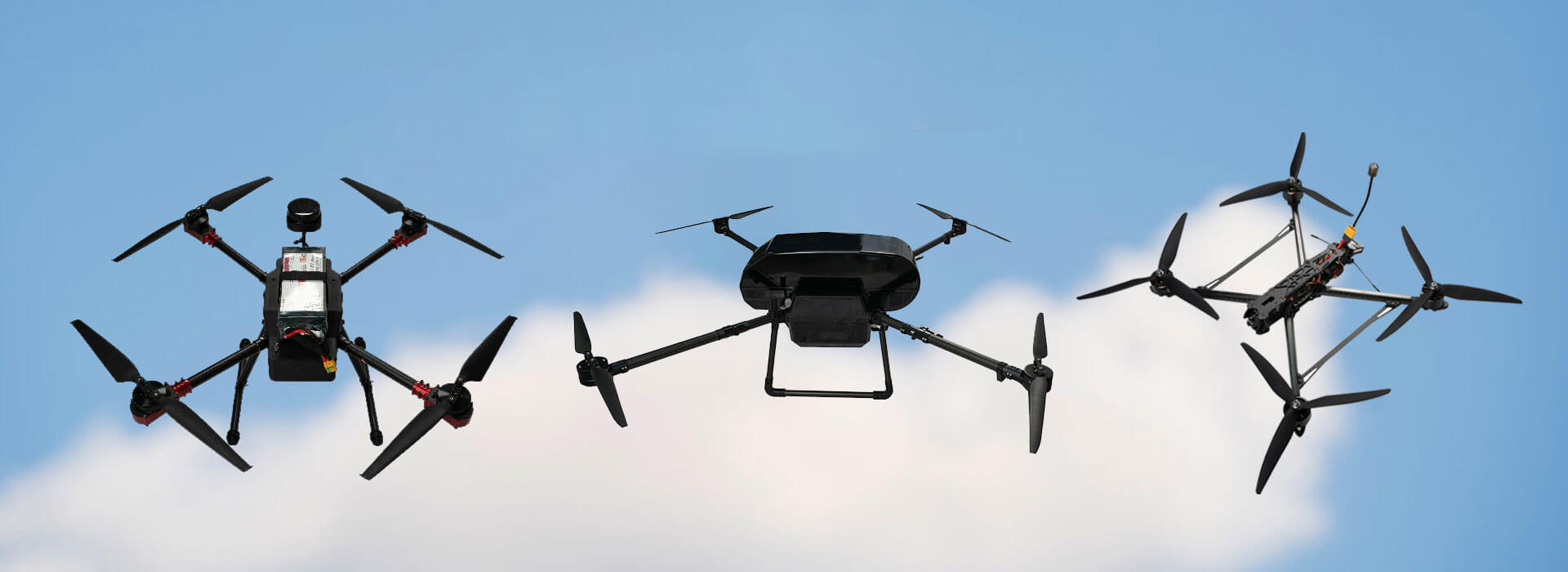
In recent years, FPV (First Person View) drones have gained increasing attention in modern tactical and security-related applications. Thanks to their agility, real-time video transmission, and flexible configuration options, FPV drones are now widely recognized as effective low-altitude unmanned platforms for complex operational environments.
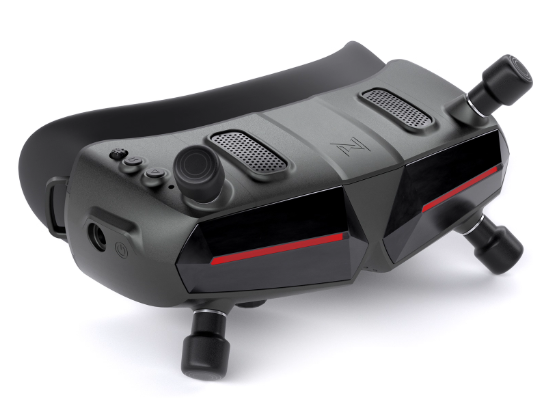
Unlike traditional unmanned aerial systems, FPV drones are designed for high responsiveness and precise manual control. Operators receive real-time visual feedback through onboard cameras, allowing fast decision-making and accurate maneuvering even in confined or dynamic spaces. This capability has made FPV drones particularly suitable for applications where situational awareness and rapid response are critical.
One of the key advantages of FPV drones is their ability to operate effectively at low altitudes. In environments such as urban areas, forests, or rugged terrain, larger aerial platforms often face limitations due to size, cost, or deployment complexity. FPV drones, by contrast, can be launched quickly, navigate narrow spaces, and adapt to changing conditions with minimal preparation.
Their compact structure and electric power systems also allow for quiet operation and reduced logistical requirements. These features contribute to improved operational efficiency while maintaining a high level of control and precision.
Continuous improvements in FPV transmission systems have played a major role in expanding the practical use of FPV drones. Modern digital and hybrid transmission technologies provide clearer video, extended range, and enhanced resistance to interference. Stable communication links ensure reliable control and visual feedback, even in demanding environments.
At the same time, advancements in flight control systems and power management have improved overall performance and durability. Modern FPV drones are now capable of maintaining stable flight characteristics while carrying customized payloads, making them adaptable to a wide range of operational requirements.
Another important trend in FPV drone development is modular design. Modular architectures allow users to modify frames, propulsion systems, communication modules, and onboard equipment according to specific needs. This flexibility reduces development time and increases cost efficiency for operators requiring specialized configurations.
Manufacturers are increasingly focusing on standardized interfaces and scalable designs to support both small-batch customization and larger production volumes. This approach ensures consistency while still allowing tailored solutions for different applications.
As demand grows, manufacturing quality has become a key factor in FPV drone reliability. Consistent assembly processes, strict component selection, and multi-stage testing help ensure stable performance across production batches. Flight testing and system validation are essential steps before deployment, particularly in professional and high-demand applications.
FD Drone focuses on applying structured manufacturing standards and quality control procedures throughout the production process. By emphasizing durability, consistency, and performance validation, manufacturers can better support long-term operational use and customer confidence.
Looking ahead, FPV drone applications are expected to continue expanding alongside advancements in communication security, materials, and assisted control technologies. While manual operation remains a core strength of FPV systems, future development will likely enhance stability, safety, and ease of use without compromising responsiveness.
As the industry evolves, FPV drones will remain an important part of modern unmanned systems, offering a balance of flexibility, performance, and efficiency. Manufacturers like FD Drone continue to invest in technology development and production optimization to meet the growing global demand for reliable FPV drone solutions.