| Price | On request |
|---|---|
| Model | Sky Eye-40HZ |
| Visible camera | 1/2.8-inch Sony STARVIS CMOS; 1920 × 1080 |
| Stabilization | Three axes; manufacturer lists unlimited yaw |
| Storage | 1080p/30 MP4 |
| Power input | 12V |
| Weight | 910g, gimbal and camera |
| Lens configuration | 40x optical zoom; 4.25–170mm |
| Control interfaces | PWM, S.Bus, serial command and software control over Ethernet |
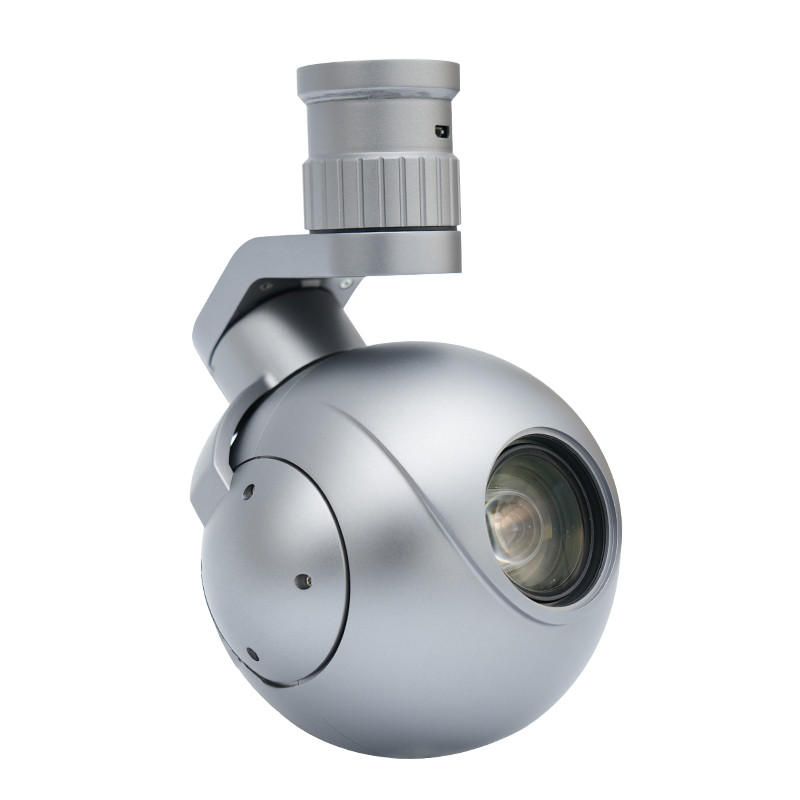
The YANGDA Sky Eye-40HZ is a visible-light drone camera for buyers who need optical detail rather than a thermal channel. Its 40x optical lens sits on a three-axis gimbal, with a manufacturer-listed camera-and-gimbal mass of 910g. That combination suits an aircraft project built around reviewing colour images of structures, machinery or environmental conditions. Start with the detail you need to see and the aircraft space available; a larger zoom number alone does not establish whether the complete payload is the right purchase.
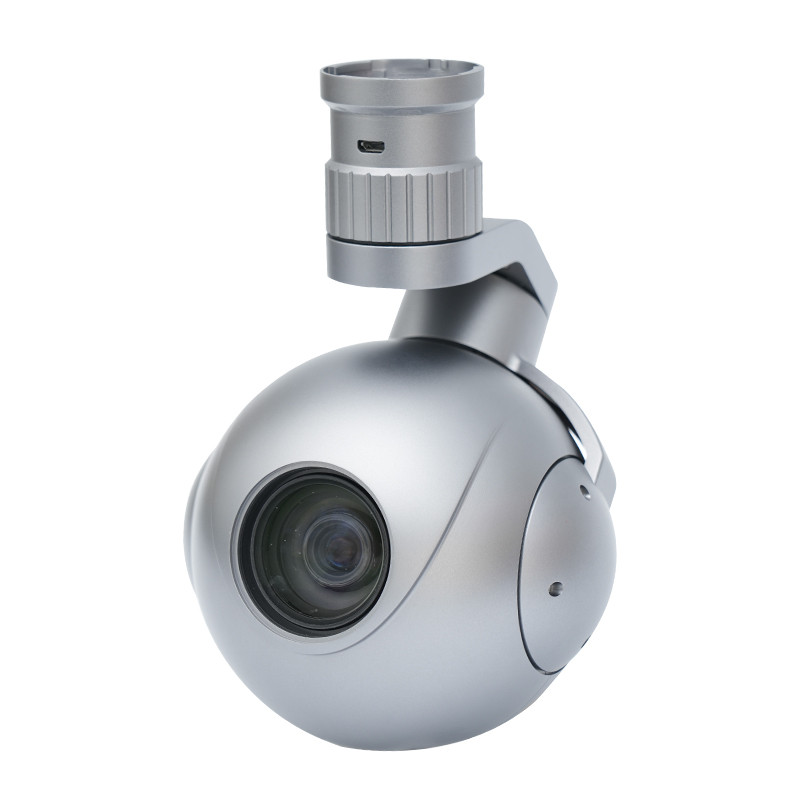
A visible image can preserve the context around a roof fitting, tower component or section of an exposed pipe. The Sky Eye-40HZ uses a 1920 × 1080 camera and a 4.25–170mm optical lens. Optical framing lets the operator change the view without describing a digital crop as additional optical reach. The useful result still depends on the scene, lighting, focus and the complete aircraft installation.
This is an EO choice. It should not be selected as a substitute for an infrared camera when the purchasing requirement is to compare thermal patterns. Customers deciding between these imaging jobs can also review the YANGDA Recon Eye-K3 product alongside their actual aircraft constraints.
| Your purchasing priority | How to assess the 40HZ | When to compare another type |
|---|---|---|
| Visible surface detail | Review a representative colour sample at the framing required by your inspection. | A thermal pattern is the primary deliverable. |
| A wider view and closer inspection in one camera | Consider the 40x optical range together with the required field of view. | A fixed wide-angle view is sufficient and smaller size matters more. |
| Integration on an existing UAV | Check the 910g camera mass, mounting space, supply and delivered interfaces. | The aircraft cannot accommodate the complete installed assembly. |
The stated 910g covers the camera and gimbal. Include the intended mounting hardware, vibration isolation and cable arrangement in your aircraft mass review. Check clearance through the required camera movement, rather than comparing the lens body alone with the available space.
YANGDA lists a 12V supply and PWM, S.Bus, serial-command and Ethernet software-control routes. Choose the route that the aircraft team can support. A familiar connector name does not establish the final cable pinout or a tested software integration.
The three-axis gimbal and quick-release product design are useful starting points for integration. Their presence does not remove the need to match the actual mount, aircraft vibration conditions and installed cable movement. FD can quote against the configuration you intend to fit, rather than assume that an existing camera bracket is suitable.
The published local recording format is 1080p/30 MP4. That gives the purchasing team a concrete file format to request when evaluating a sample. It is separate from the live video path used by the ground station. Tell us which display, receiver or computer must show the picture so the delivered output arrangement can be specified.
Specify the required video output in the enquiry. Ethernet software control and a usable Ethernet video stream are different functions; an interface named for one job should not be assumed to perform the other. FD will confirm the offered unit's video format and connection in the quotation. This matters particularly when replacing a payload on an aircraft with an established receiver or recorder.
No. It describes the visible camera's optical lens range. The Sky Eye-40HZ page is for an EO payload; it does not establish an additional infrared imaging channel.
Will it fit any inspection drone?Fit depends on the aircraft's payload allowance, geometry, power and integration. Supply your aircraft model or mounting drawing so those points can be reviewed for the proposed package.
Can a brochure distance guarantee the detail in my inspection?No fixed distance can describe every scene. A useful comparison uses a representative feature and the actual image or recording needed by your customer.
Request a Sky Eye-40HZ configuration. Share the aircraft, the visible feature you need to inspect, your preferred ground-side viewing device and the recording requirement. FD can then align the camera, mounting and video connection in one product quotation.
| Visible camera | 1/2.8-inch Sony STARVIS CMOS; 1920 × 1080 |
|---|---|
| Optical lens | 40x optical zoom; 4.25–170mm |
| Gimbal | Three axes; manufacturer lists unlimited yaw |
| Local recording | 1080p/30 MP4 |
| Supply | 12V |
| Payload mass | 910g, gimbal and camera |
| Control interfaces | PWM, S.Bus, serial command and software control over Ethernet |
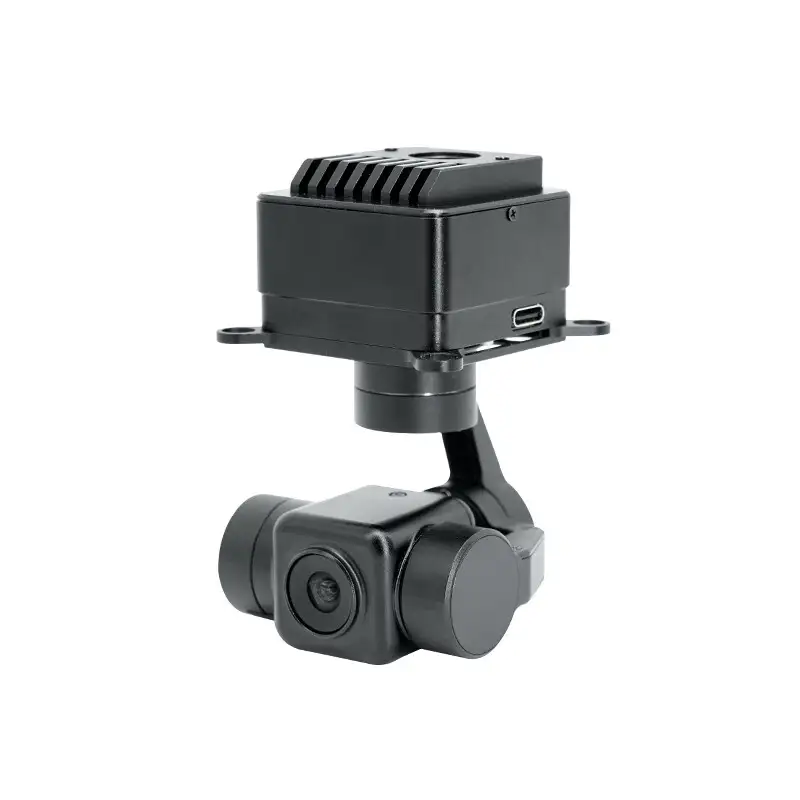
Explore YANGDA Recon Eye-K3 lightweight drone gimbal camera: 115 g, fixed wide-angle optics, three-axis control and 1080p recording for small UAV projects....
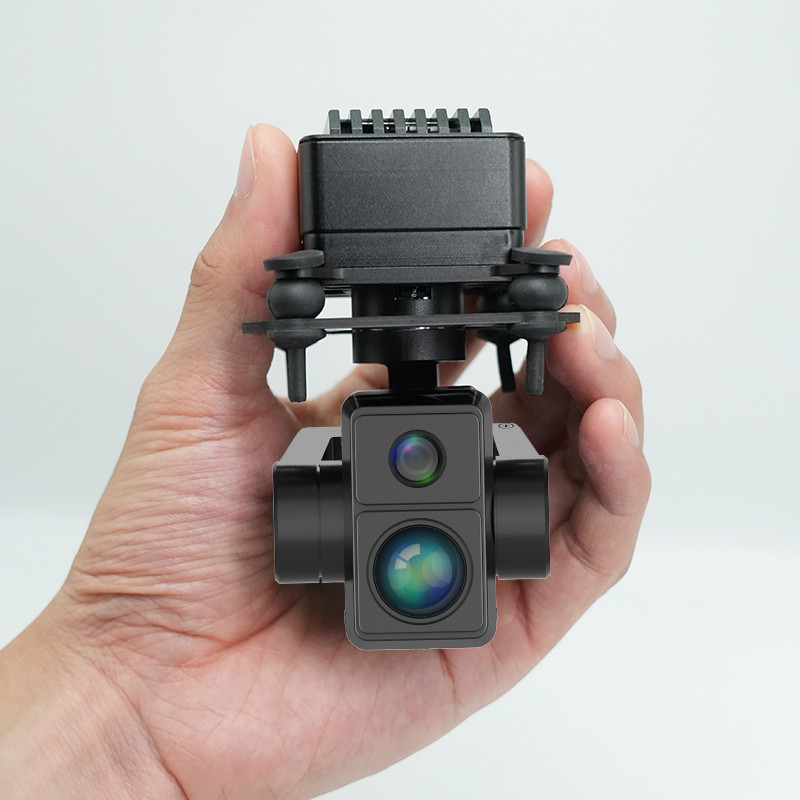
Explore the YANGDA Recon Eye-K3T compact drone gimbal: native 640 thermal imaging, 18 mm IR lens and visible-light camera with 40x digital zoom....
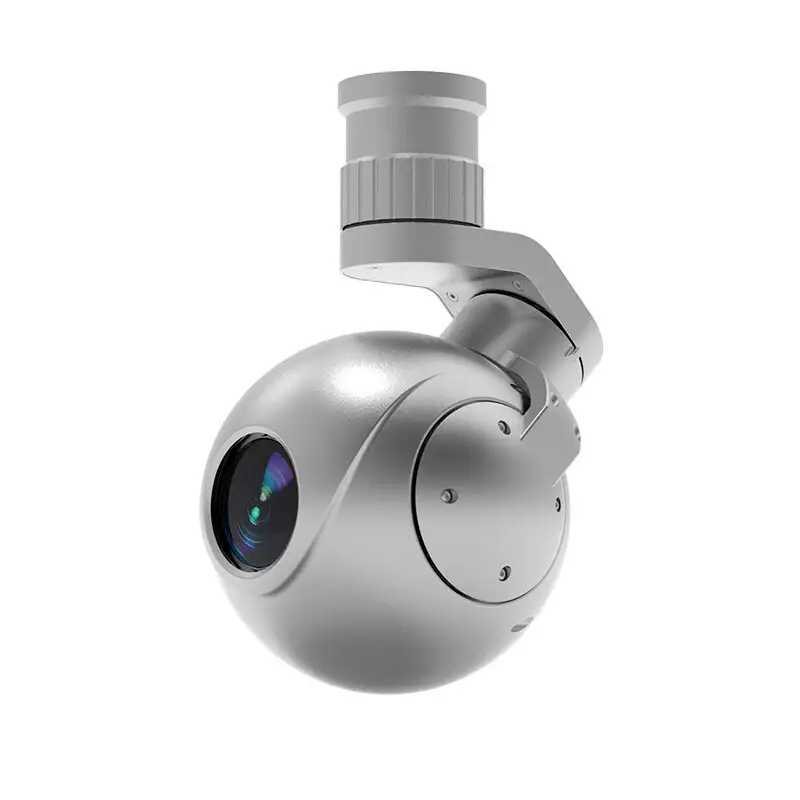
Choose YANGDA Sky Eye-30HZ-S optical zoom gimbal camera for daylight UAV inspection: 30x optics, Full HD imaging and HDMI or Ethernet video connections....
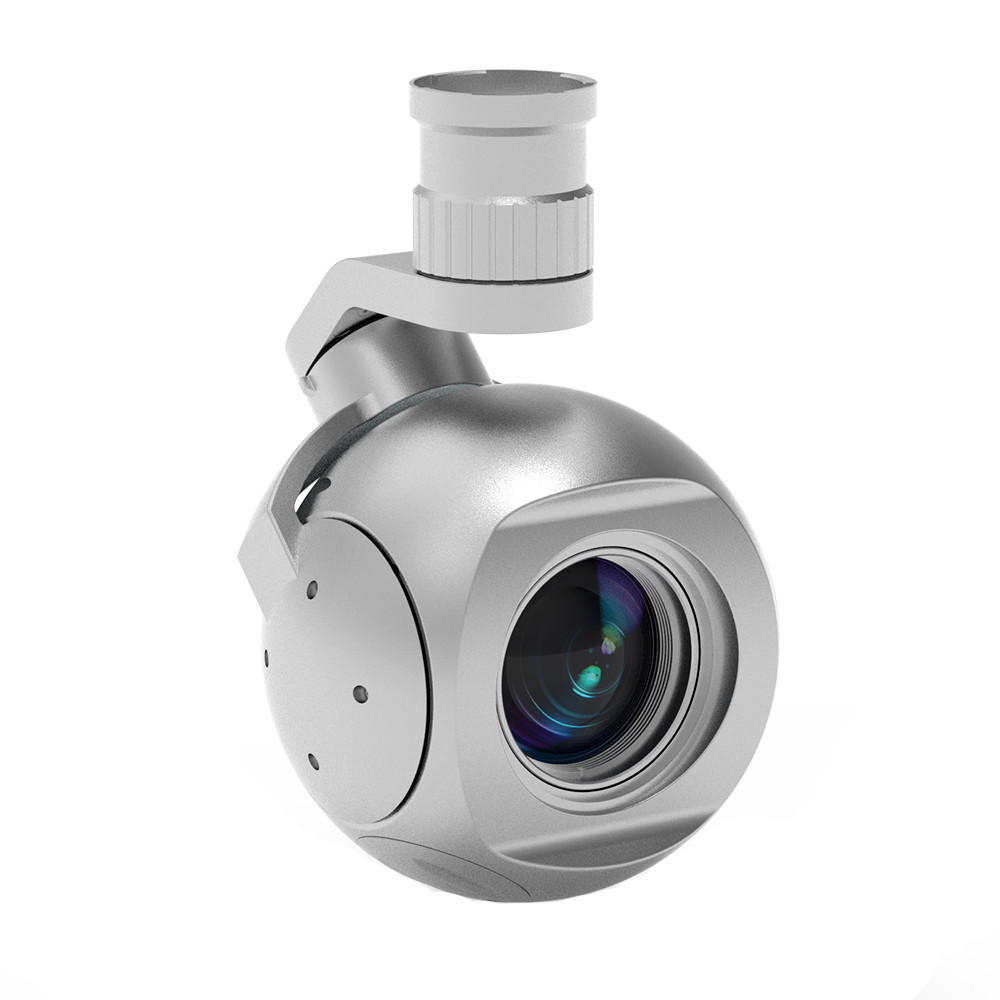
Choose the YANGDA Sky Eye-HT50 for thermal-led UAV inspection. Review its 1280 × 1024 detector, fixed 50mm lens, Ethernet video and installed mass....
Inspect visible details with the YANGDA Sky Eye-40HZ. Compare its 40x optical zoom, 1080p recording and 910g payload before specifying a drone camera....
 Tel: +86-13959965075
 Email: info@fpvdroneskit.com
 MP/WhatsApp: +86-13959965075
 Manufacturer Address:Quanzhou Valley Nanan Science and Technology Innovation Center, No. 89 Shijing Avenue, Shijing Town, Nanan City, Fujian Province