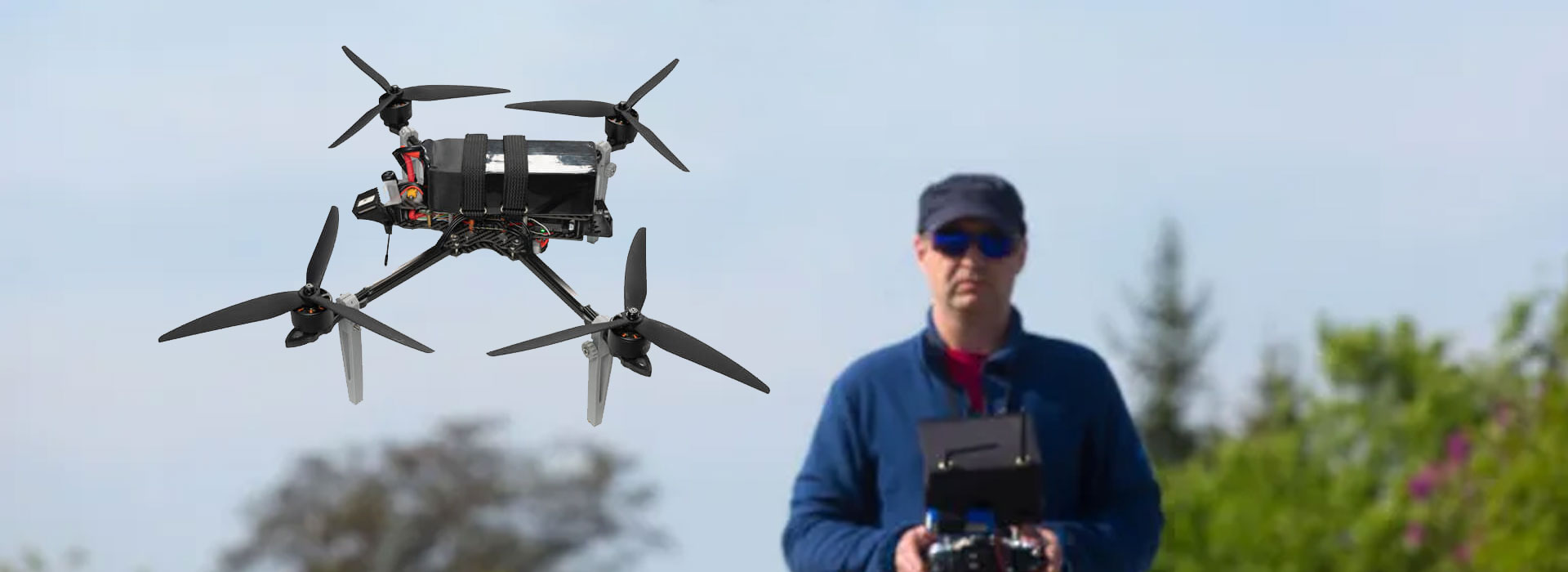
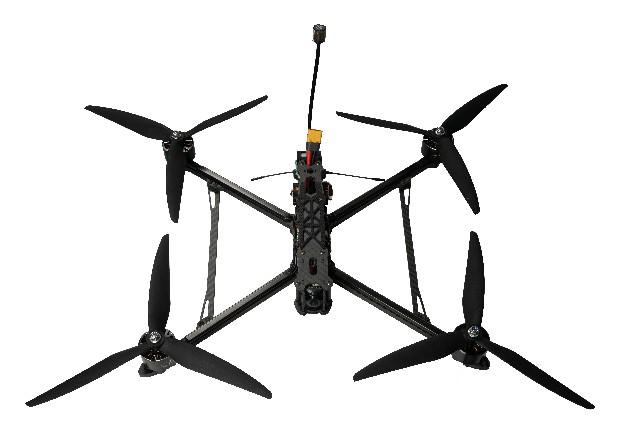
Introduction The rise of FPV drones in military operations reflects a broader shift toward speed, decentralization, and tactical autonomy. Rather than relying solely on large, centralized unmanned systems, modern forces are increasingly adopting smaller platforms that deliver immediate situational...
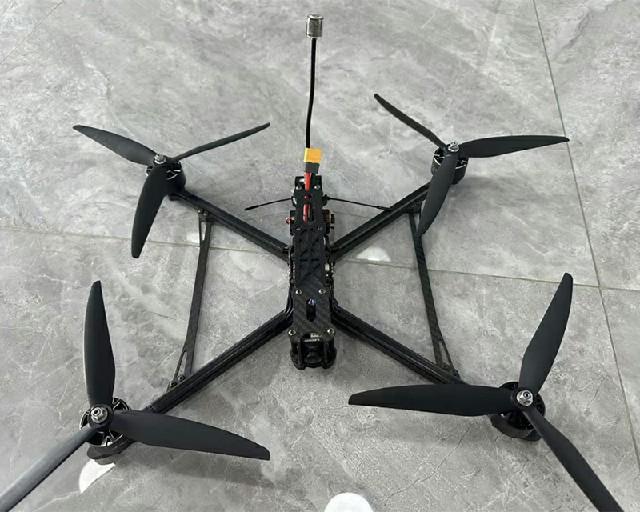
Introduction FPV drones are often discussed in terms of their battlefield impact, but understanding their value requires a closer look at the technology that enables their performance. From flight control systems to video transmission and propulsion design, FPV drones represent a tightly int...
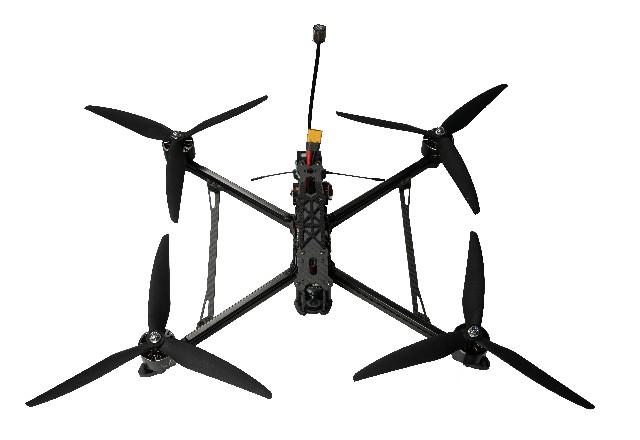
Introduction While FPV drones are often defined by how they are flown, their true value lies in how their systems support modern defense requirements. From electronic resilience to modular design, FPV drones reflect a shift toward smaller, faster, and more adaptable unmanned platforms. This art...
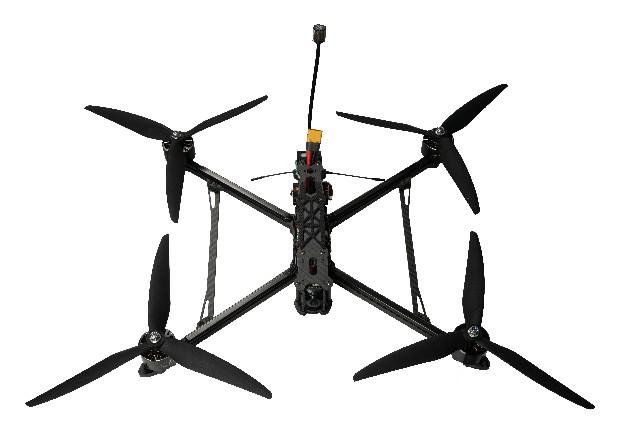
Introduction The role of unmanned systems in military operations has expanded significantly over the past decade. Within this landscape, FPV drones have emerged as a distinct category of tactical platforms designed for speed, precision, and direct human control. Rather than replacing larger UAV...
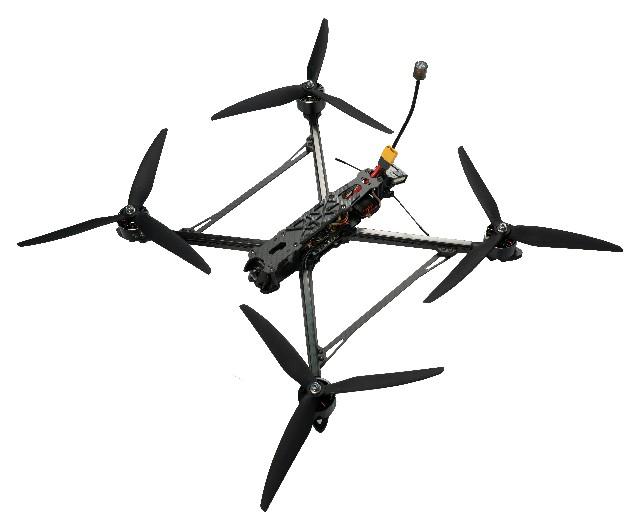
Introduction Modern military operations require rapid decisions made under uncertain and dynamic conditions. FPV drones contribute to this environment by delivering immediate visual information directly to operators and commanders. Their role extends beyond reconnaissance, supporting real-time ...
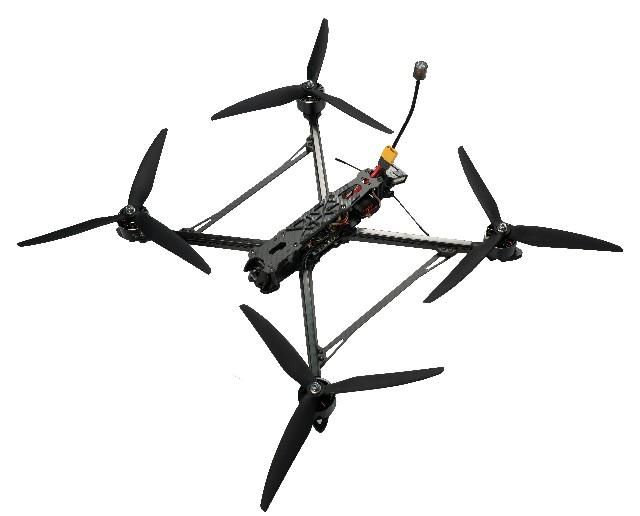
Introduction The modern battlefield is undergoing a significant transformation driven by rapid advances in unmanned systems. Among these, FPV drones have emerged as a disruptive force, reshaping how military operations are conducted at the tactical level. Their speed, precision, and human-contr...
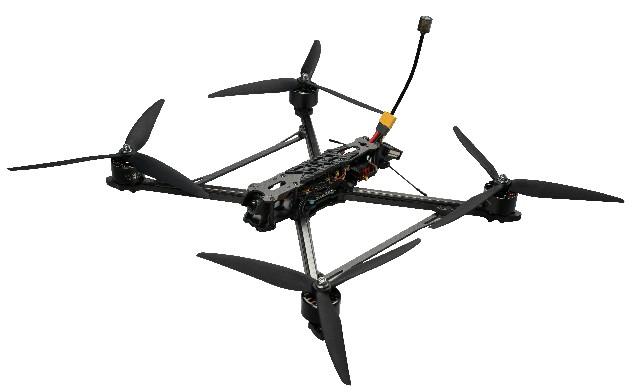
Introduction Modern combat environments are defined by speed, complexity, and information dominance. FPV drones contribute to this transformation by providing immediate, localized aerial capability that was previously unavailable at the tactical level. Their growing presence is reshaping how fo...
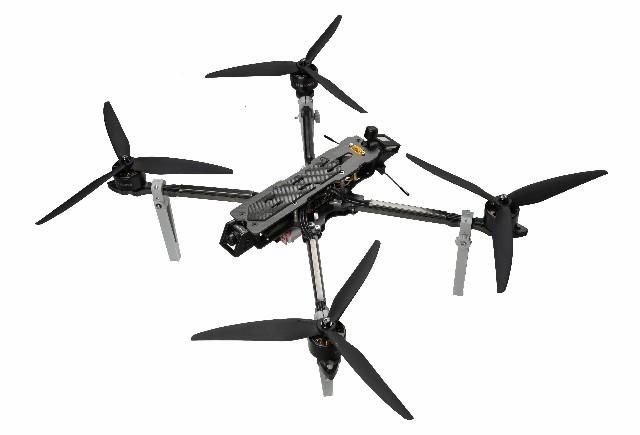
Introduction FPV drones and traditional UAVs are often grouped together under the broad category of unmanned aerial systems. In reality, they serve different operational purposes and are designed around fundamentally different assumptions. Understanding the key differences between FPV drones an...
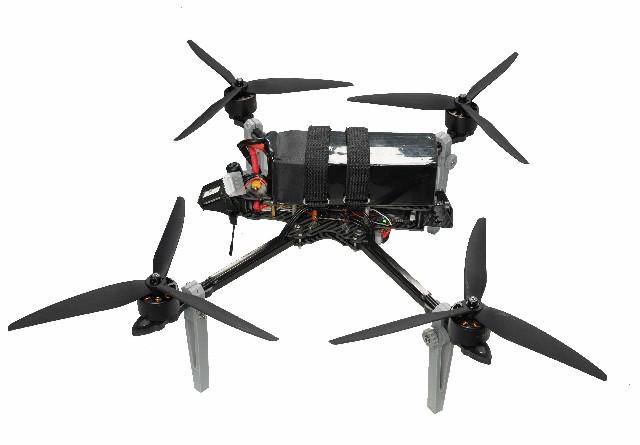
Introduction As unmanned systems become increasingly central to military operations, distinguishing between different UAV categories is critical. FPV drones and conventional UAVs represent two distinct approaches to unmanned flight, shaped by different mission priorities and operational constra...
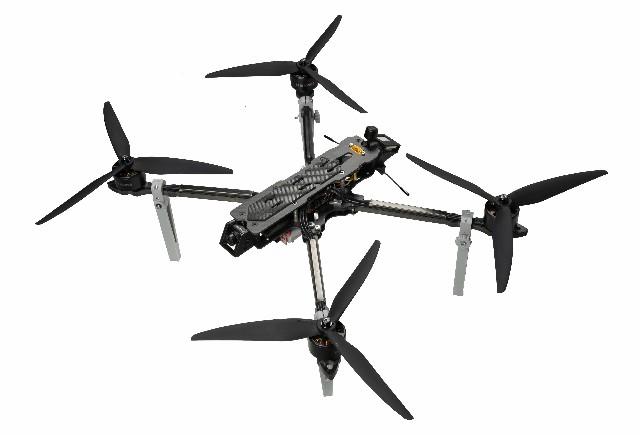
Introduction Modern warfare is increasingly defined by speed, adaptability, and information dominance. In this context, FPV drones have emerged as critical assets rather than auxiliary tools. Their ability to deliver immediate situational awareness and precision control at the tactical level ha...
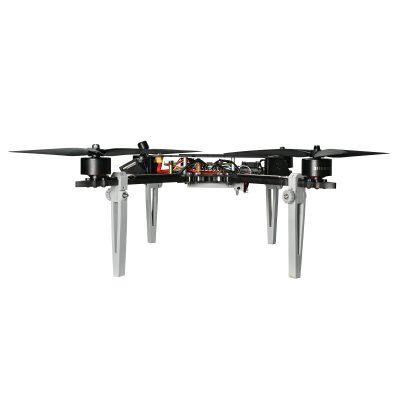
Introduction The strategic landscape of modern warfare places increasing emphasis on tactical flexibility and rapid decision-making. FPV drones contribute to this environment by providing immediate, human-controlled aerial capability that complements larger and more complex unmanned systems. Th...
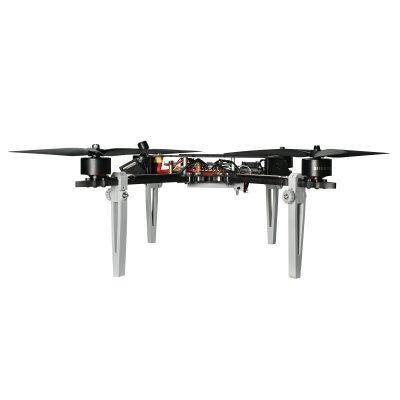
Introduction As FPV drones gain wider adoption across defense and security sectors, understanding their system-level design becomes increasingly important. Unlike general-purpose UAVs, FPV drone systems are optimized for immediate control, low latency, and tactical flexibility. These characteri...
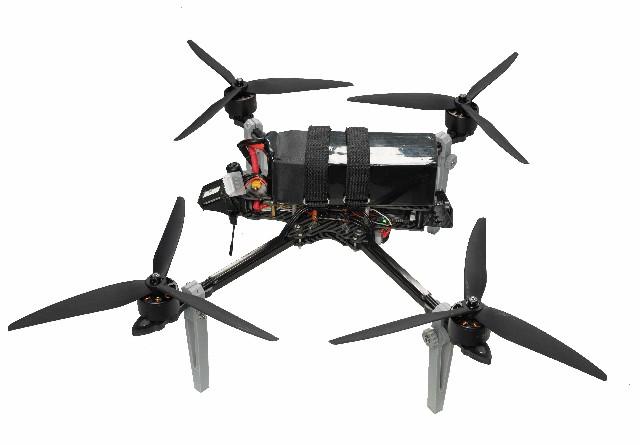
Introduction FPV drones are often evaluated based on their tactical impact, but their effectiveness begins with system-level design. In defense operations, FPV platforms must deliver consistent performance under demanding conditions while remaining simple enough for rapid deployment. This artic...
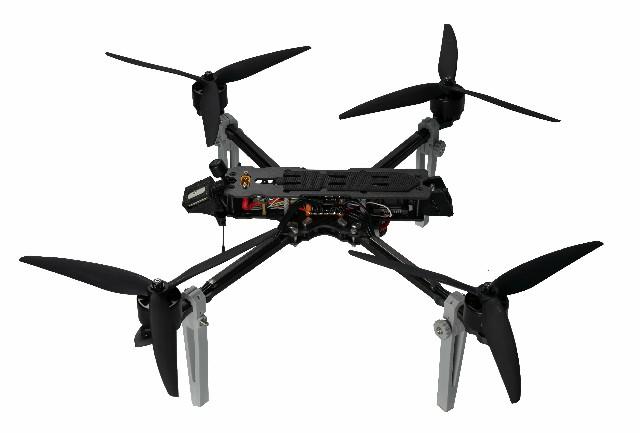
Introduction FPV drones did not emerge overnight as military tools. Their current role in defense applications is the result of continuous technological adaptation and operational learning. Originally developed for civilian and recreational use, FPV platforms have evolved rapidly in response to...
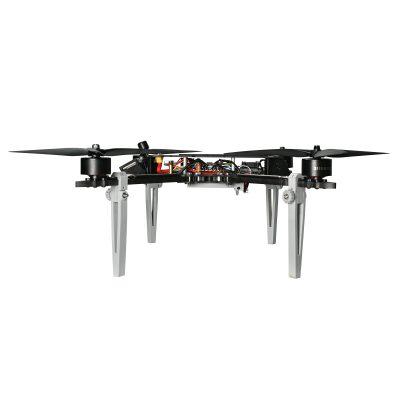
Introduction The journey of FPV drones from experimental platforms to recognized military tools illustrates how innovation often emerges from unexpected origins. What began as a civilian technology has been reshaped by operational necessity into a valuable tactical asset. Understanding this evo...

 Tel: +86-13959965075
 Email: info@fpvdroneskit.com
 MP/WhatsApp: +86-13959965075
 Manufacturer Address:Quanzhou Valley Nanan Science and Technology Innovation Center, No. 89 Shijing Avenue, Shijing Town, Nanan City, Fujian Province