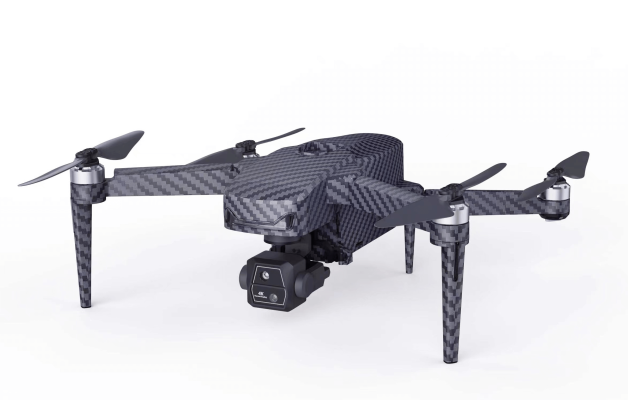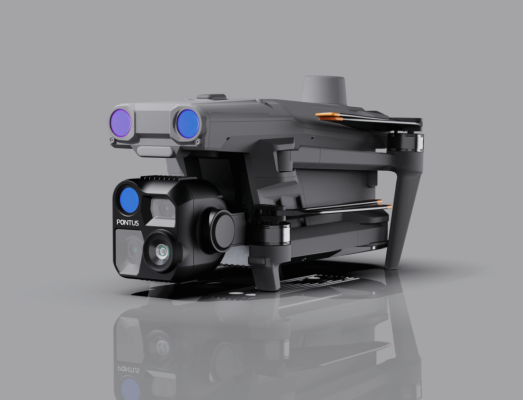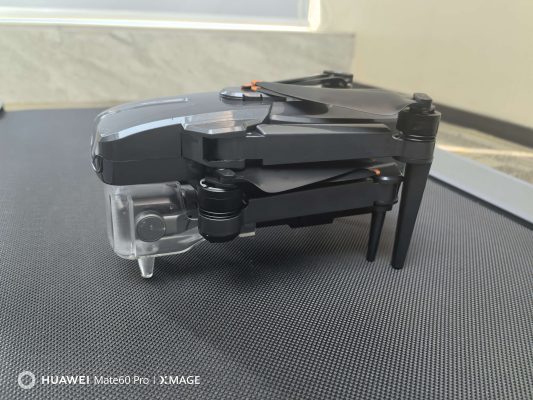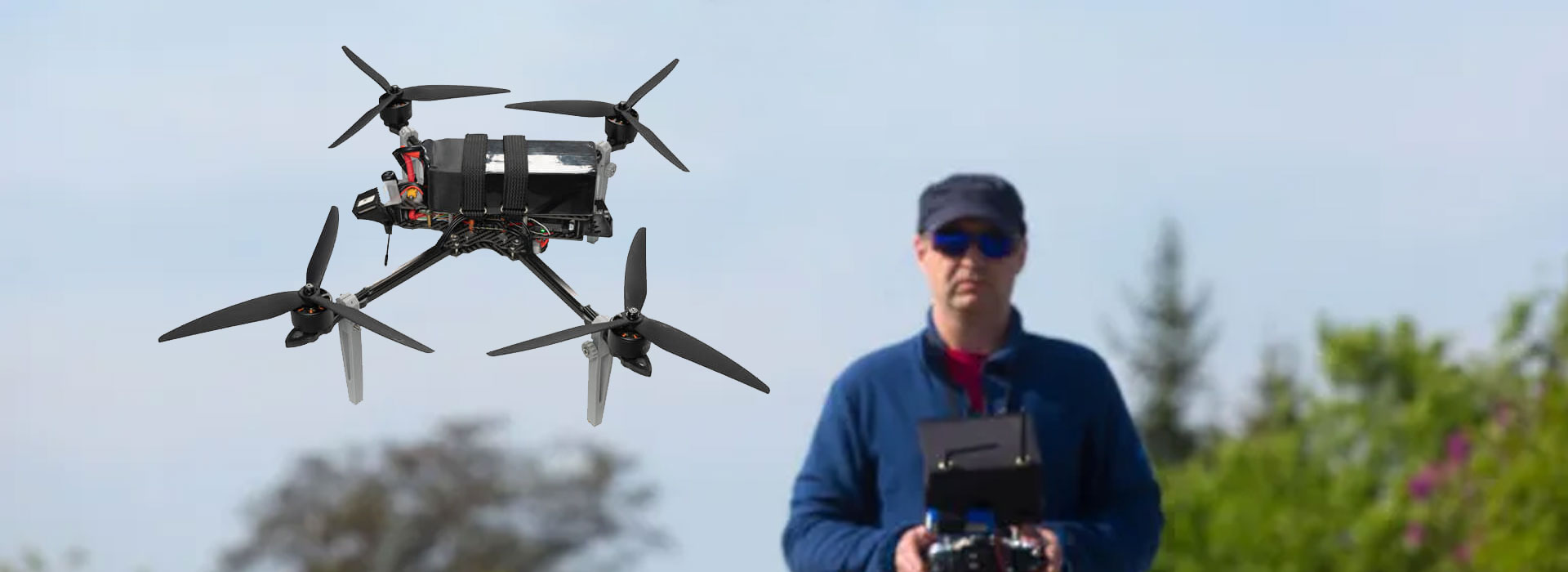
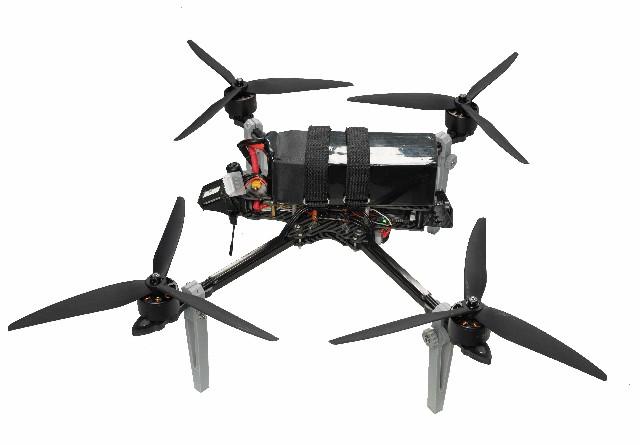
Introduction As unmanned systems become increasingly central to military operations, distinguishing between different UAV categories is critical. FPV drones and conventional UAVs represent two distinct approaches to unmanned flight, shaped by different mission priorities and operational constra...
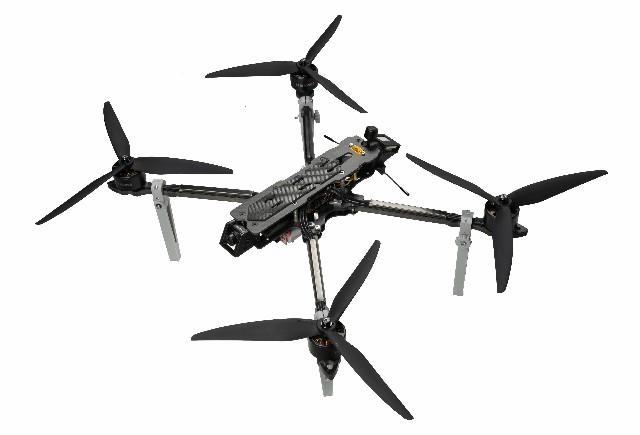
Introduction Modern warfare is increasingly defined by speed, adaptability, and information dominance. In this context, FPV drones have emerged as critical assets rather than auxiliary tools. Their ability to deliver immediate situational awareness and precision control at the tactical level ha...
Introduction The strategic landscape of modern warfare places increasing emphasis on tactical flexibility and rapid decision-making. FPV drones contribute to this environment by providing immediate, human-controlled aerial capability that complements larger and more complex unmanned systems. Th...
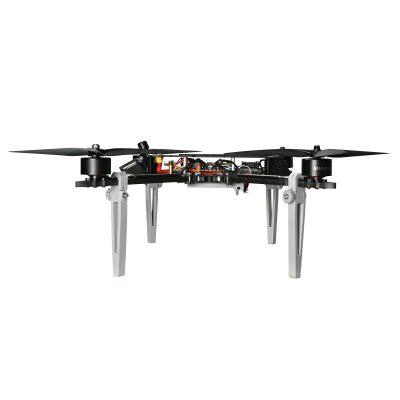
Introduction As FPV drones gain wider adoption across defense and security sectors, understanding their system-level design becomes increasingly important. Unlike general-purpose UAVs, FPV drone systems are optimized for immediate control, low latency, and tactical flexibility. These characteri...
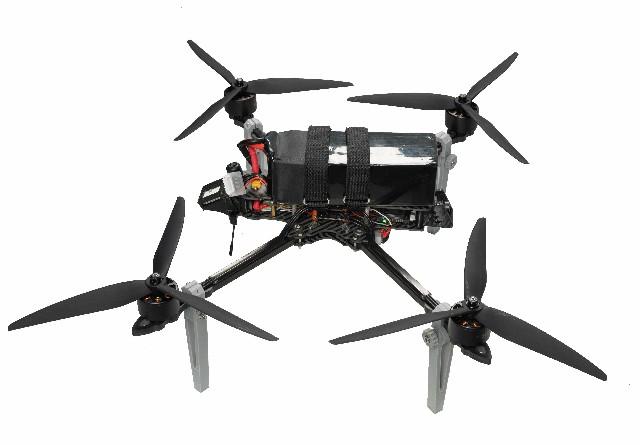
Introduction FPV drones are often evaluated based on their tactical impact, but their effectiveness begins with system-level design. In defense operations, FPV platforms must deliver consistent performance under demanding conditions while remaining simple enough for rapid deployment. This artic...
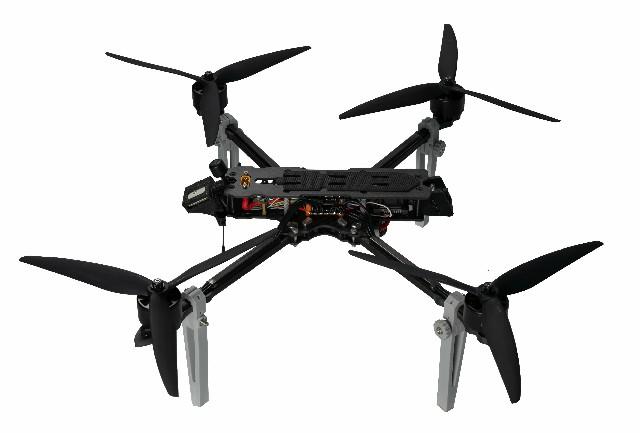
Introduction FPV drones did not emerge overnight as military tools. Their current role in defense applications is the result of continuous technological adaptation and operational learning. Originally developed for civilian and recreational use, FPV platforms have evolved rapidly in response to...
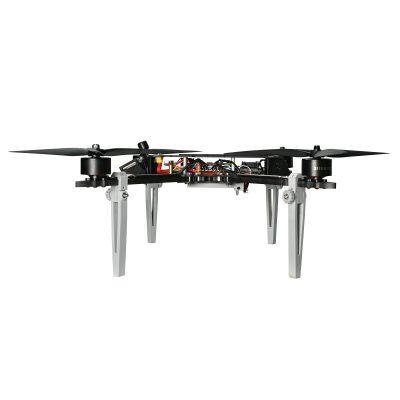
Introduction The journey of FPV drones from experimental platforms to recognized military tools illustrates how innovation often emerges from unexpected origins. What began as a civilian technology has been reshaped by operational necessity into a valuable tactical asset. Understanding this evo...

. Common Problems in Build FPV Drone Beginners often face these issues when they build FPV drone : Drone won’t take off: Motor direction or prop orientation mistake. Poor video signal: Damaged VTX antenna or wrong settings. Short flight time: Low-capacity battery or inefficient motors. ...

1. Why Are Parts Important to Build FPV Drone? When you build FPV drone , your choice of parts determines flight performance. Different combinations of motors, props, flight controllers, and batteries lead to unique flight experiences. Some builds are for racing, others for freestyle or cinematic...

1. Why Build FPV Drone? More hobbyists are choosing to build FPV drone instead of buying ready-made ones. Why? Because building your own FPV drone saves money, helps you understand the mechanics, and allows customization of every component. For beginners, it’s not only educational but also rewa...

Section Titles: The Evolution of Long Distance Drones Current Technologies: Key Technologies Behind Long Distance Drones Future Technological Trends for Long Distance Drones Opportunities and Challenges: The Development Issues of Long Distance Drones Detailed Content: W...
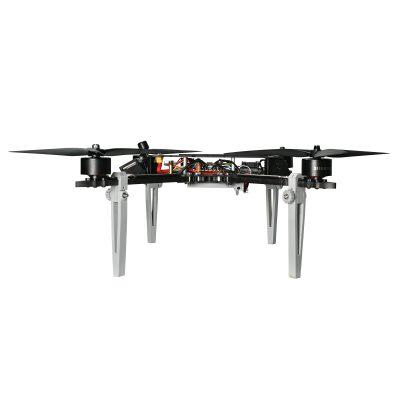
Introduction Situational awareness is a decisive factor in modern military operations. The ability to understand terrain, movement, and emerging threats in real time directly affects operational outcomes. Military FPV drones contribute to situational awareness by delivering immediate, human-con...

Section Titles: Challenges and Bottlenecks in the Logistics Industry How Long Distance Drones Help Solve Logistics Problems How Long Distance Drones Enhance Logistics Efficiency Looking Ahead: The Future of Long Distance Drones in the Logistics Industry Detailed Content:...
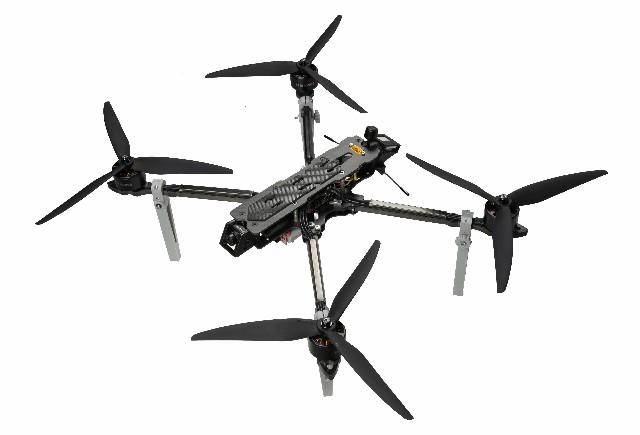
Introduction Effective situational awareness enables military units to anticipate threats, coordinate movement, and respond decisively. FPV drones contribute to this capability by offering immediate visual insight from the operator’s perspective. Their growing use reflects the importance of re...

1. Strong Power System A powerful ESC (Electronic Speed Controller), such as a 45A or 65A 4-in-1 setup, ensures reliable and consistent motor performance, especially under high loads. This is essential for both racing drones and professional-grade aerial platforms. 2. Long Flight Time Battery ca...

 Tel: +86-15059599996
 Email: info@fpvdroneskit.com
 MP/WhatsApp: +86-15059599996
 Manufacturer Address:Quanzhou Valley Nanan Science and Technology Innovation Center, No. 89 Shijing Avenue, Shijing Town, Nanan City, Fujian Province