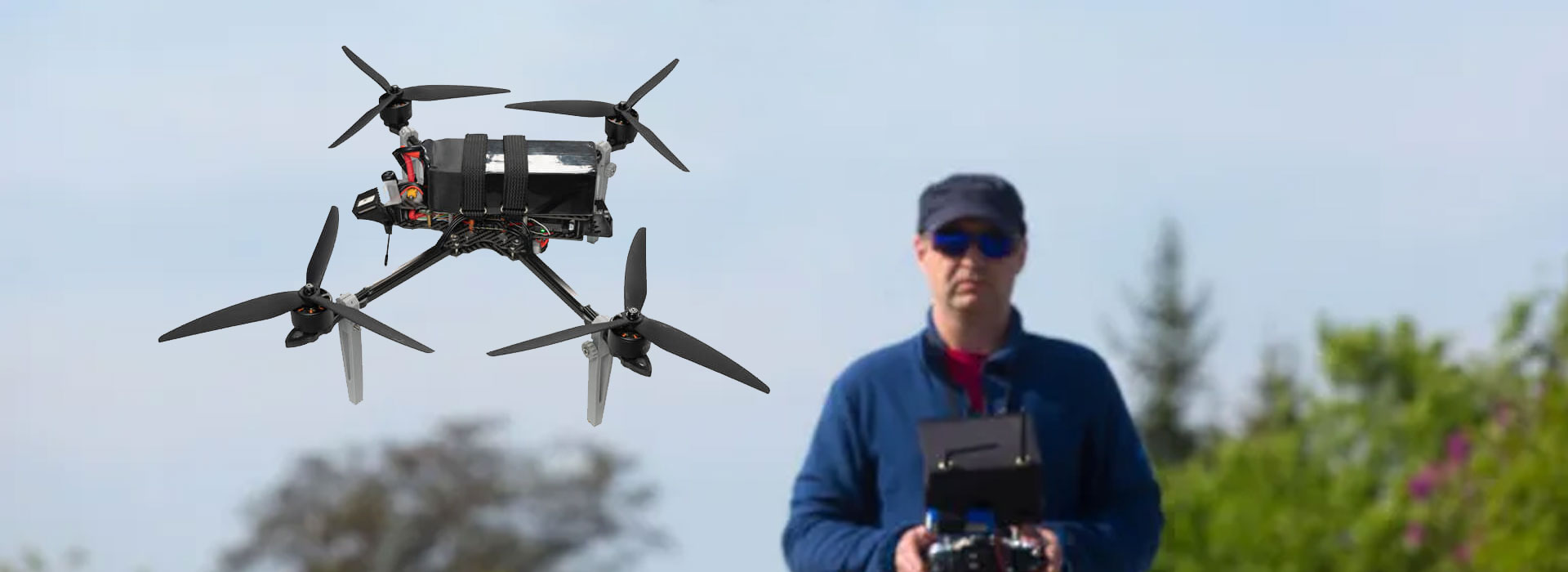
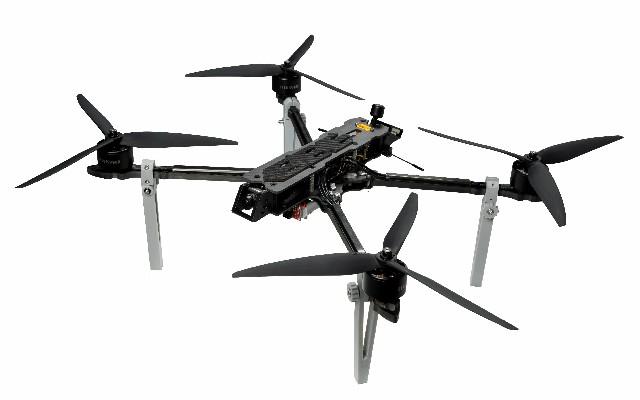
Introduction As electronic warfare capabilities continue to expand, FPV drone systems must be designed with electronic resilience in mind. Military FPV platforms operate in environments where interference and signal disruption are realistic threats. Design choices play a critical role in determ...
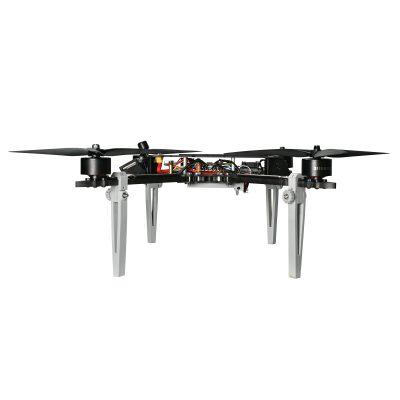
Introduction GPS-denied environments are increasingly common in modern military operations. Jamming, interference, and terrain constraints can all limit the availability of satellite navigation. FPV drones are particularly well suited to operate under these conditions due to their control model...
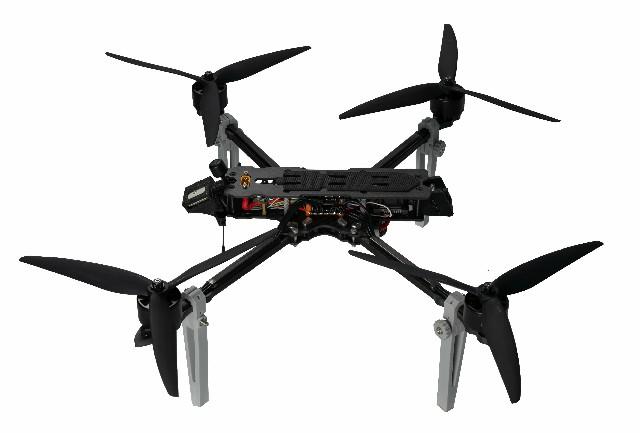
Introduction The ability to function without GPS support is a significant advantage for military FPV drones. In environments where satellite navigation is compromised, FPV platforms continue to provide tactical value through direct control and real-time visual feedback. Human-Centered Naviga...
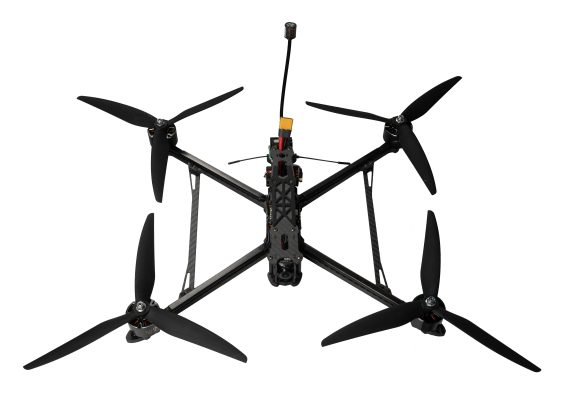
Applications in Aerial Filming Capture vast landscapes like mountains, deserts, and coastlines. Enable creative shots in areas unreachable by conventional drones. Applications in Surveying Inspection Agriculture: Monitor crop growth across large fields. Forestry: Inspect wildfire-pr...
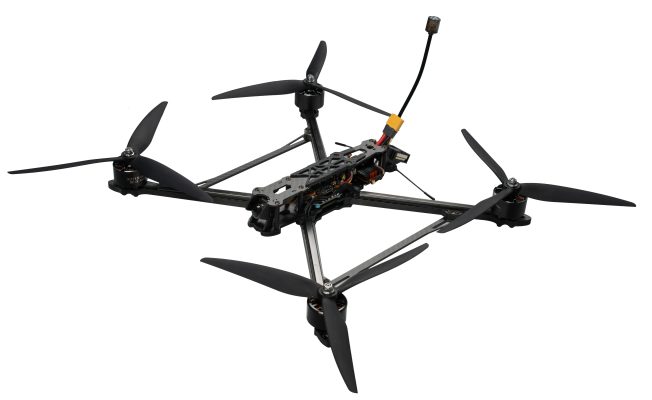
What is fpv long range? fpv long range refers to FPV drones designed for long-distance flights. With HD video transmission and high-capacity batteries, they allow Beyond Visual Line of Sight (BVLOS) experiences. Compared to racing FPV drones, long-range FPVs prioritize signal stability, endurance,...
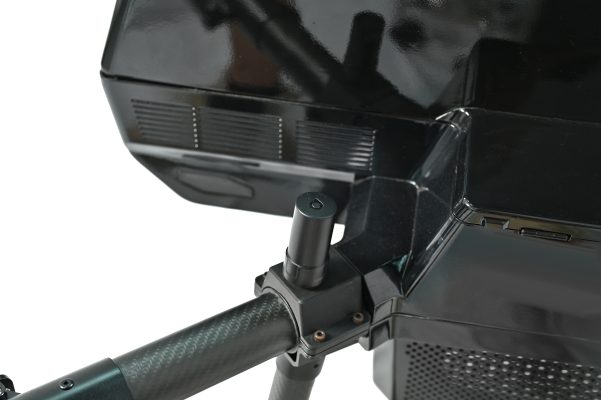
✅ Getting Started: What You Need Before your first FPV flight, ensure you have all the essential components: an FPV drone (BNF or DIY build), compatible transmitter (e.g., Radiomaster or TBS), FPV goggles, fully charged LiPo batteries, propellers, tools, and your favorite flight simulator for pri...
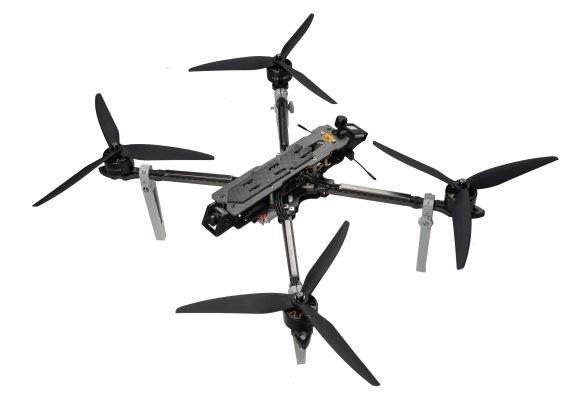
Getting ready for your first real FPV flight is a thrilling yet nerve-wracking moment. You’ve trained in the simulator, you’ve studied your drone, and now it’s time to put those skills into action. But before takeoff, there are key points every beginner should keep in mind to ensure a safe and s...
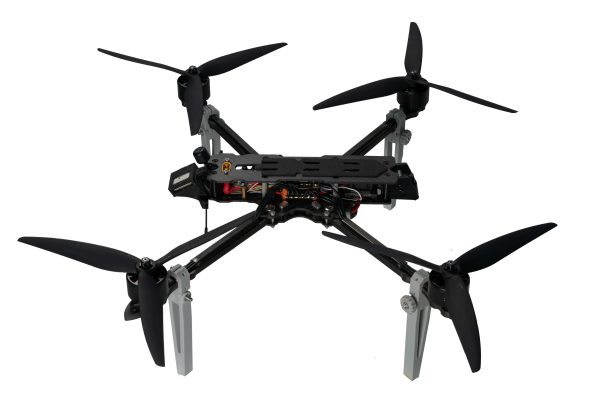
FPV flying is thrilling, but as a beginner, it's easy to fall into some common traps that hinder progress or even damage your gear. Understanding these mistakes is the first step toward becoming a skilled and confident pilot. 1. Skipping the Simulator Practice Many new pilots jump straight in...
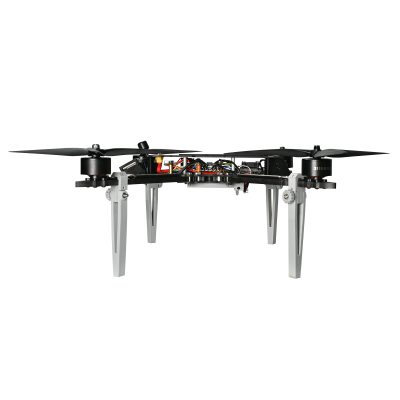
Explore why more people are embracing the immersive world of FPV flying. The Allure of First-Person Flight FPV (First-Person View) drones offer a unique experience unlike anything else in the world of tech and hobbies. With a pair of FPV goggles, pilots don’t just control a drone—they fe...
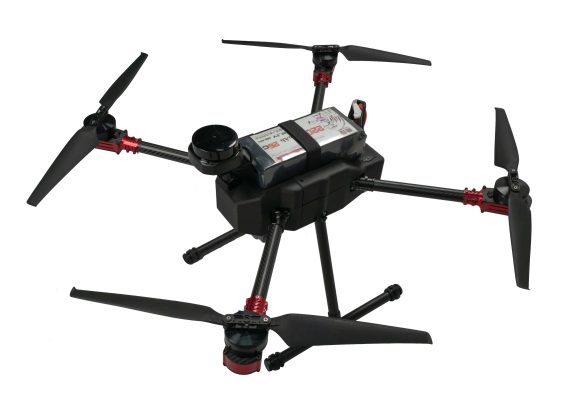
1. Common Mistakes Made by FPV Beginners Flying an FPV drone looks exciting and liberating, but for beginners, the learning curve can be steep. Many new pilots make avoidable mistakes simply due to inexperience and lack of preparation. The most common beginner mistakes include: Failing to cali...
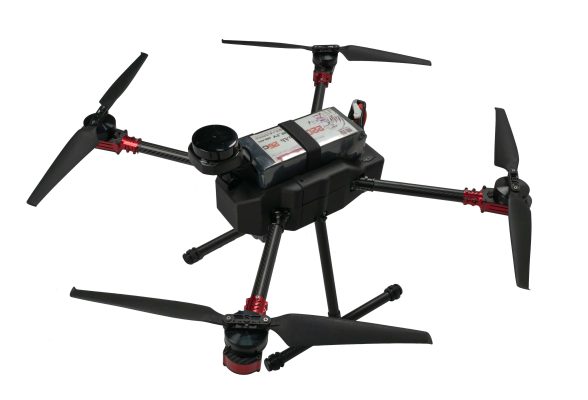
Introduction Choosing the right environment can greatly improve your FPV flying experience. Whether you're just learning to hover or filming smooth cinematic shots, the location you fly in determines how fast you progress — and how good your footage looks. In this article, we explore five idea...
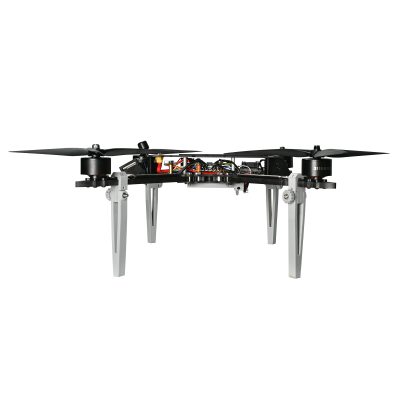
Introduction Entering the FPV world is exciting — but choosing your first drone can be overwhelming. With so many options available, it’s hard to know what’s reliable, easy to fly, and truly beginner-friendly. In this article, we compare the best beginner FPV drones and kits in 2025. Whether ...
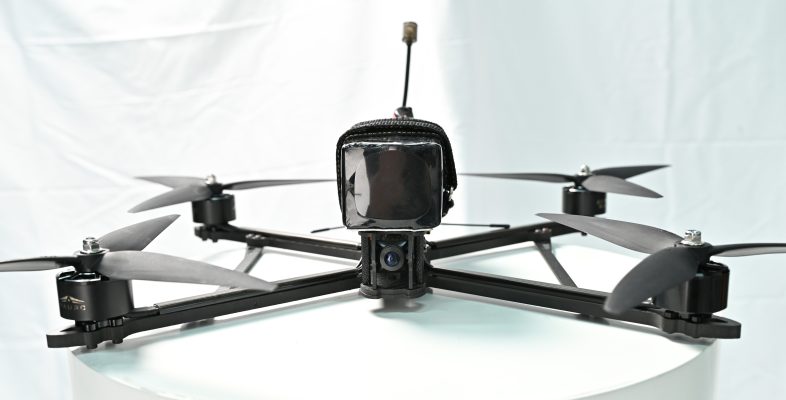
Intro: Small Gear, Big Impact When most people think about FPV drones, they focus on the quad, the goggles, and the transmitter. But there’s a whole world of accessories that can dramatically improve your flying experience, flight safety, and gear longevity . At FD (FPV Drones) , we often reco...
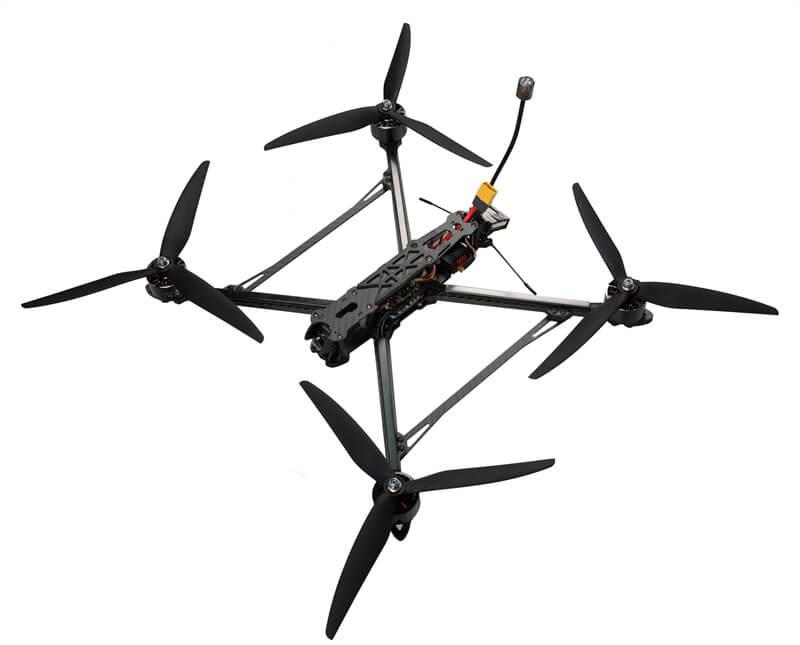
FD is a tech-driven FPV drone brand offering complete product solutions—from flight controllers, ESCs, and video systems to fully integrated drones. Our development team has extensive hands-on experience and optimizes each product based on real-world flight scenarios to ensure speed, stability, and...
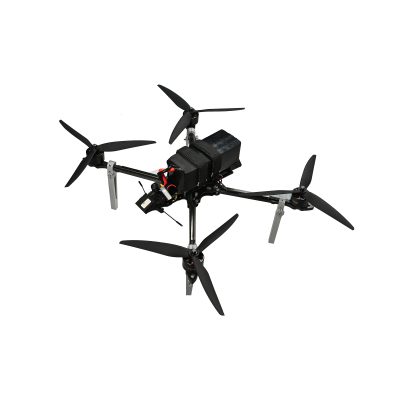
Intro: More Than a Freestyle Giant In the FPV world, the 5-inch quad has long been the king — until recently. In 2025, 7-inch FPV drones are becoming the new favorite among long-range pilots, cinematic flyers, and even pro racers. At FD , we’ve seen a huge demand for high-performance 7-inch bu...

 Tel: +86-13959965075
 Email: info@fpvdroneskit.com
 MP/WhatsApp: +86-13959965075
 Manufacturer Address:Quanzhou Valley Nanan Science and Technology Innovation Center, No. 89 Shijing Avenue, Shijing Town, Nanan City, Fujian Province