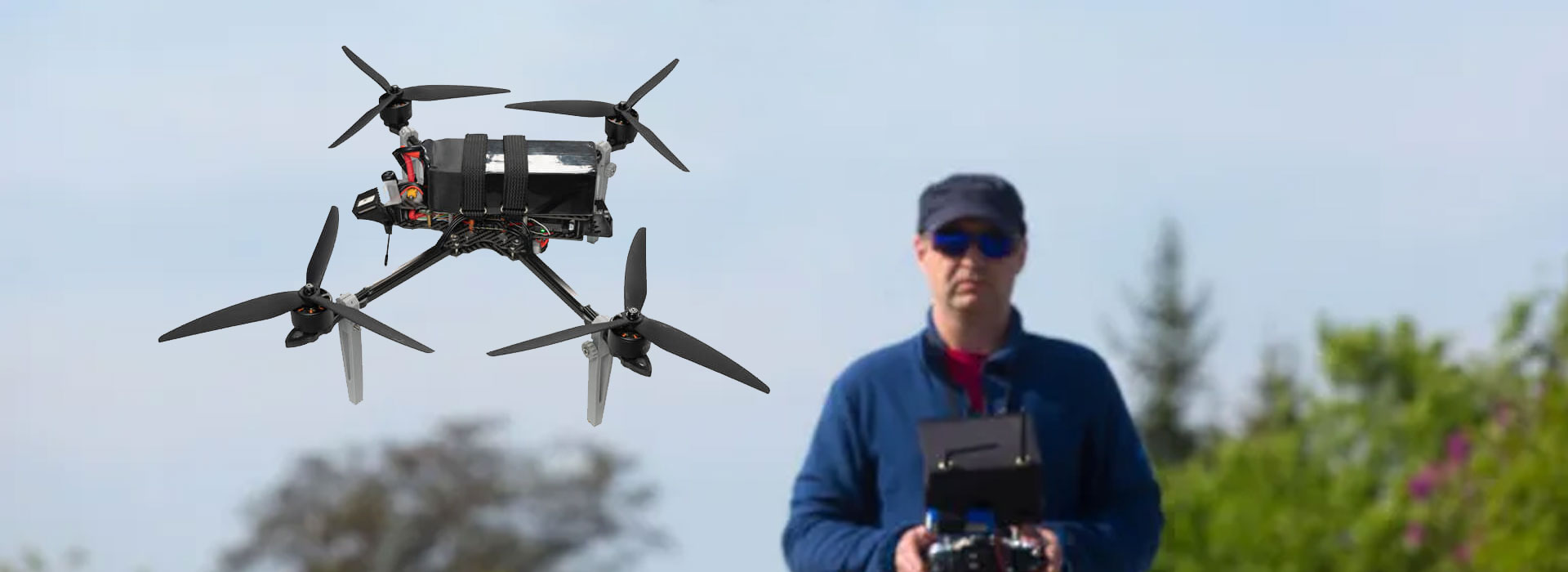
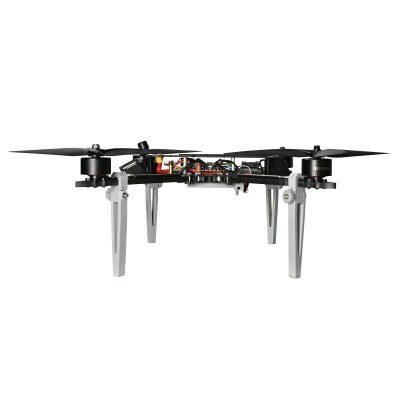
Introduction Video transmission is a defining element of FPV drone operation. For military FPV systems, the quality and speed of video delivery directly influence control precision, situational awareness, and mission effectiveness. Latency, in particular, represents one of the most critical per...
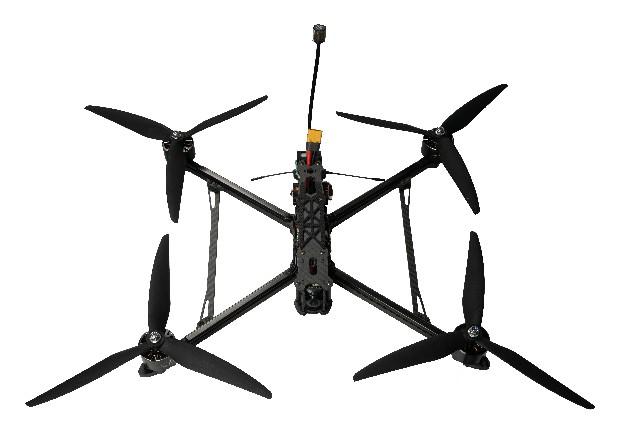
Introduction In FPV drone operations, video latency defines how effectively an operator can interact with the aircraft. For military FPV systems, managing latency is a technical priority that influences control accuracy, safety, and mission success. Understanding how latency arises and how it i...
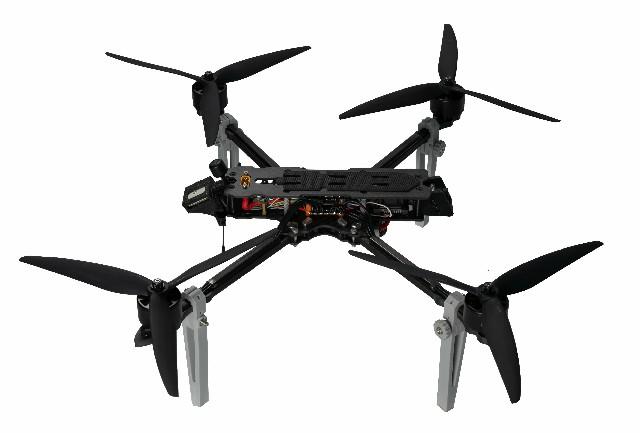
Introduction Navigation and control technologies define how FPV drones move, stabilize, and respond to operator input. In military FPV systems, these technologies must function reliably under dynamic conditions and limited automation. Precise navigation and responsive control are essential for ...
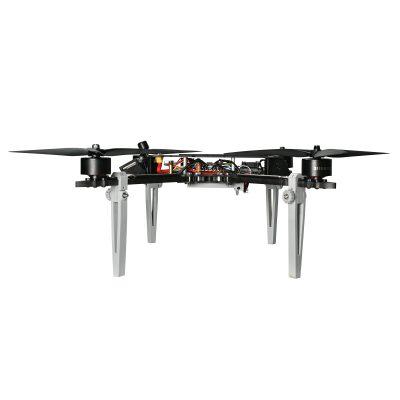
Introduction Control and navigation systems enable FPV drones to operate effectively in complex and unpredictable environments. Military FPV platforms rely on these systems to deliver accurate flight behavior while maintaining direct human control. Understanding these technologies highlights th...
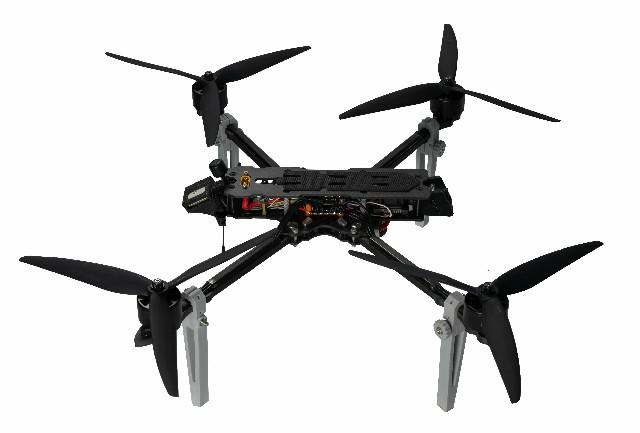
Introduction Power and endurance are among the most critical constraints in FPV drone design. Unlike larger unmanned aircraft, FPV drones operate within tight energy and weight limits. Understanding how power systems influence endurance and performance helps clarify both the strengths and limit...
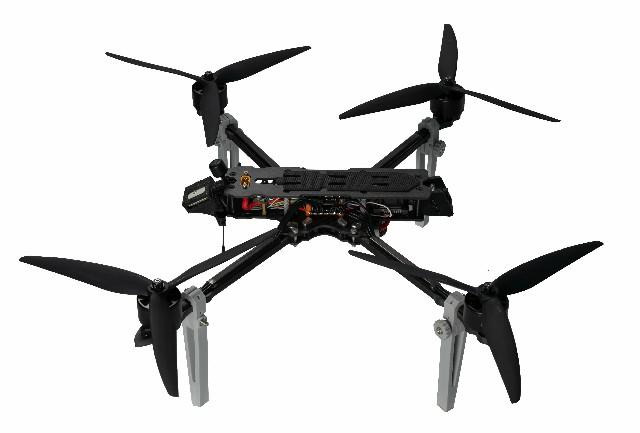
Introduction Military FPV drones operate within strict performance boundaries defined by energy availability and system efficiency. These limits shape how FPV platforms are designed, deployed, and used in defense operations. Examining energy management provides insight into FPV drone capabiliti...
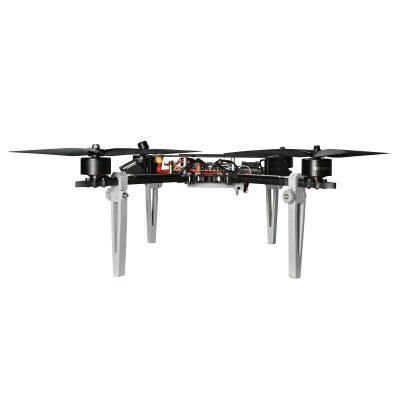
An evidence-led FPV guide covering configuration records, decision criteria and project-specific confirmation steps....

 Tel: +86-13959965075
 Email: info@fpvdroneskit.com
 MP/WhatsApp: +86-13959965075
 Manufacturer Address:Quanzhou Valley Nanan Science and Technology Innovation Center, No. 89 Shijing Avenue, Shijing Town, Nanan City, Fujian Province