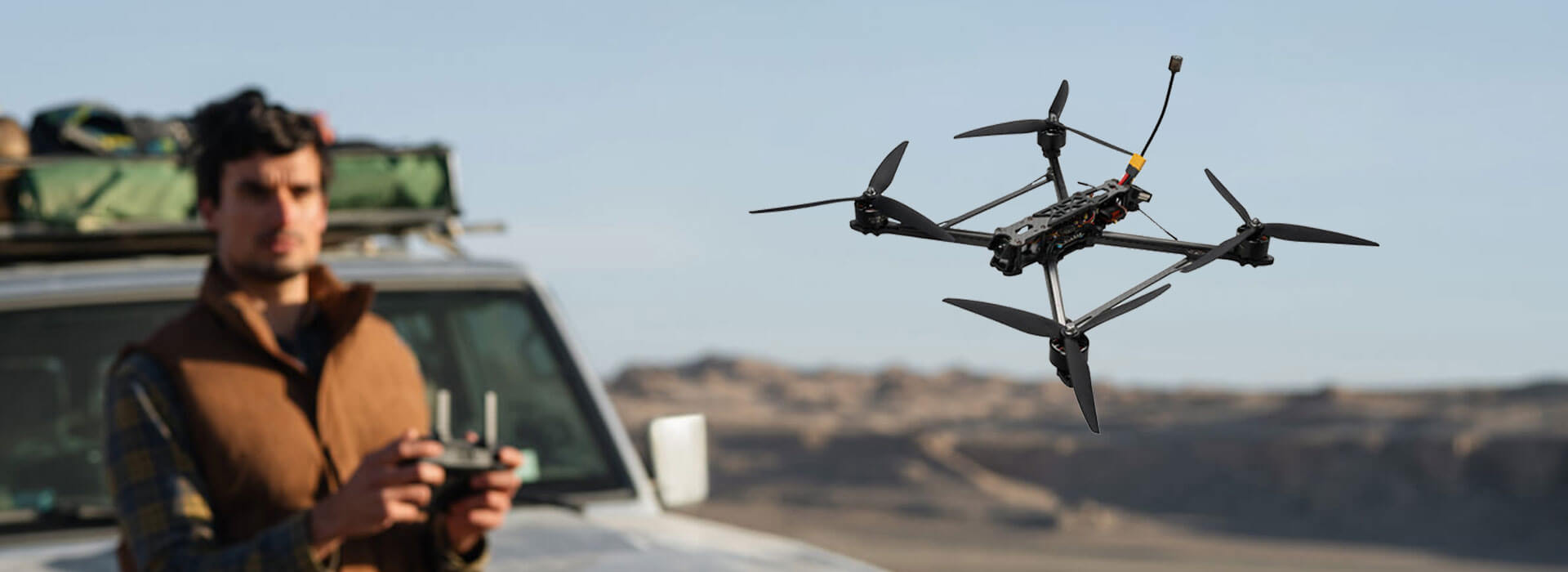

Introduction First-Person View (FPV) drones have moved rapidly from recreational use into serious defense and security applications. Their defining characteristic—real-time video transmission that places the operator directly in the aircraft’s perspective—has proven highly effective in modern,...
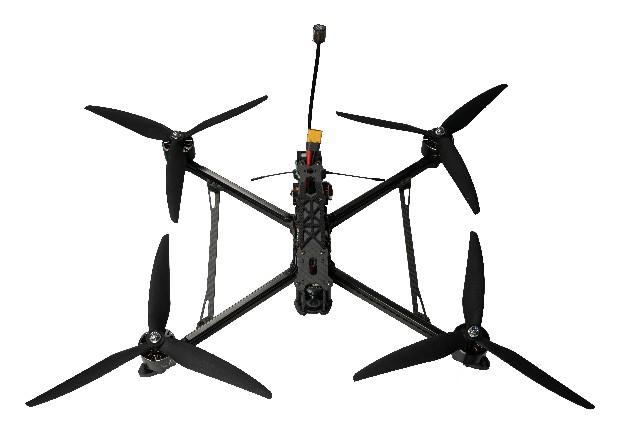
Introduction While FPV drones are often defined by how they are flown, their true value lies in how their systems support modern defense requirements. From electronic resilience to modular design, FPV drones reflect a shift toward smaller, faster, and more adaptable unmanned platforms. This art...
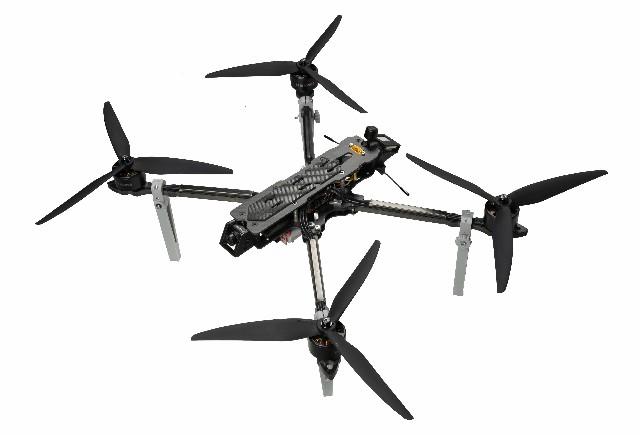
Introduction FPV drones and traditional UAVs are often grouped together under the broad category of unmanned aerial systems. In reality, they serve different operational purposes and are designed around fundamentally different assumptions. Understanding the key differences between FPV drones an...
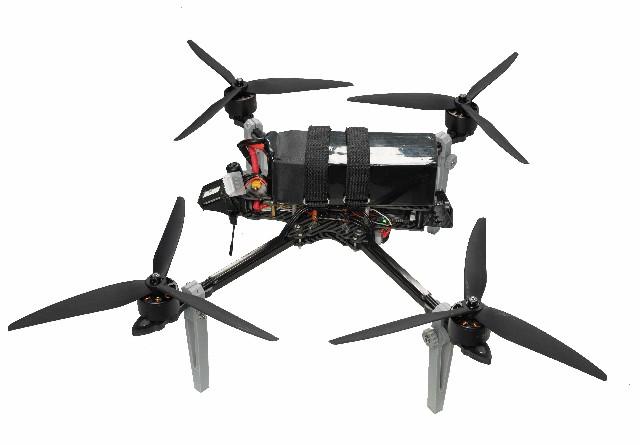
Introduction As unmanned systems become increasingly central to military operations, distinguishing between different UAV categories is critical. FPV drones and conventional UAVs represent two distinct approaches to unmanned flight, shaped by different mission priorities and operational constra...
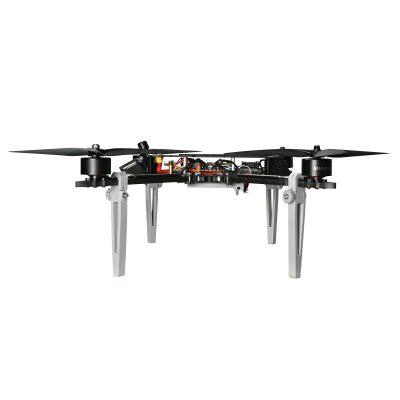
Introduction As FPV drones gain wider adoption across defense and security sectors, understanding their system-level design becomes increasingly important. Unlike general-purpose UAVs, FPV drone systems are optimized for immediate control, low latency, and tactical flexibility. These characteri...
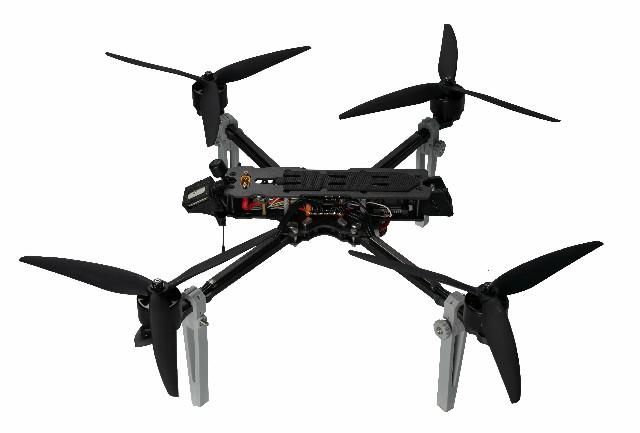
Introduction Military FPV drones are not defined by a single breakthrough but by the integration of multiple foundational technologies. Each subsystem contributes to overall performance, reliability, and operational effectiveness. Examining these technological foundations provides insight into ...
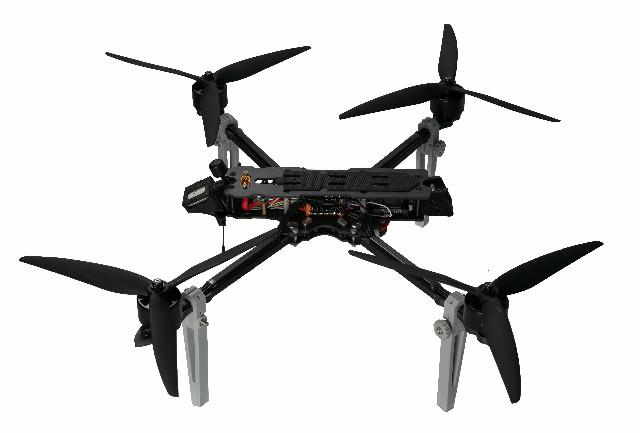
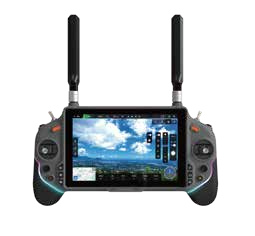
Introduction Effective communication is central to the operation of military FPV drones. These systems must support real-time control and video feedback while operating in complex and potentially contested electromagnetic environments. Understanding how communication systems are designed helps ...
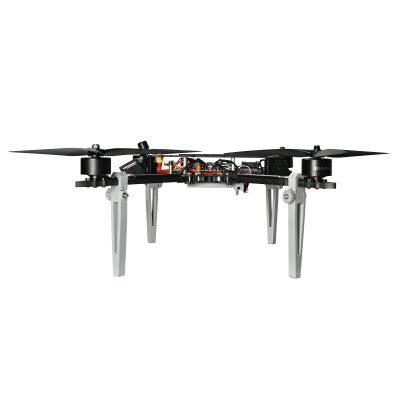
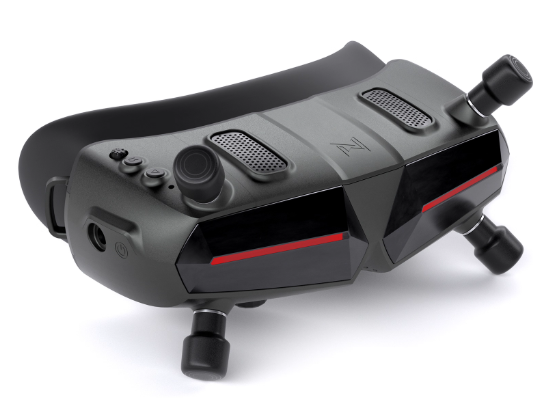
Introduction Video transmission is a defining element of FPV drone operation. For military FPV systems, the quality and speed of video delivery directly influence control precision, situational awareness, and mission effectiveness. Latency, in particular, represents one of the most critical per...
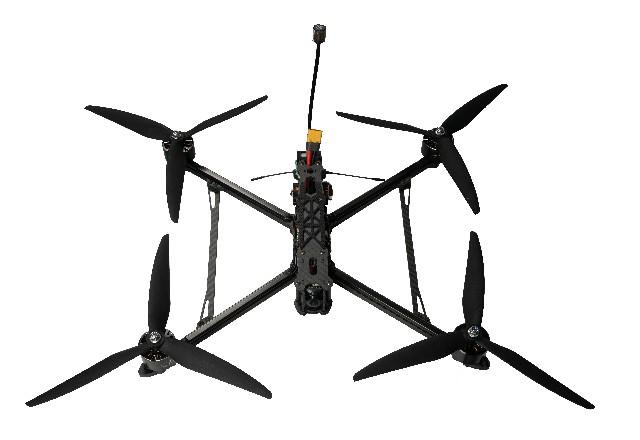
Introduction In FPV drone operations, video latency defines how effectively an operator can interact with the aircraft. For military FPV systems, managing latency is a technical priority that influences control accuracy, safety, and mission success. Understanding how latency arises and how it i...
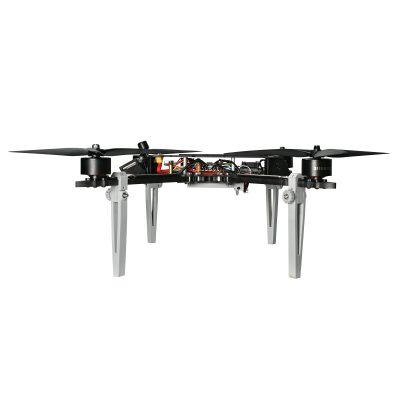
Introduction Control and navigation systems enable FPV drones to operate effectively in complex and unpredictable environments. Military FPV platforms rely on these systems to deliver accurate flight behavior while maintaining direct human control. Understanding these technologies highlights th...
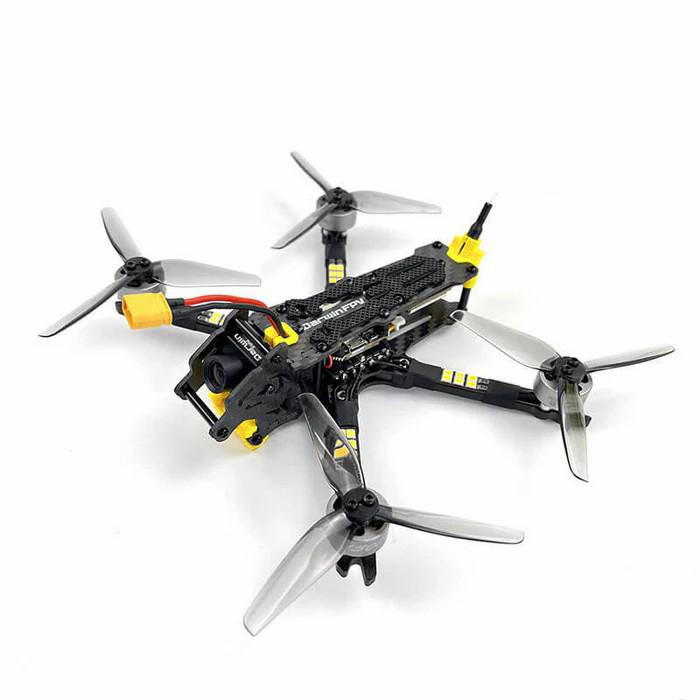
Review the documented FPV configuration, quotation confirmations and acceptance checks before lawful procurement or use....
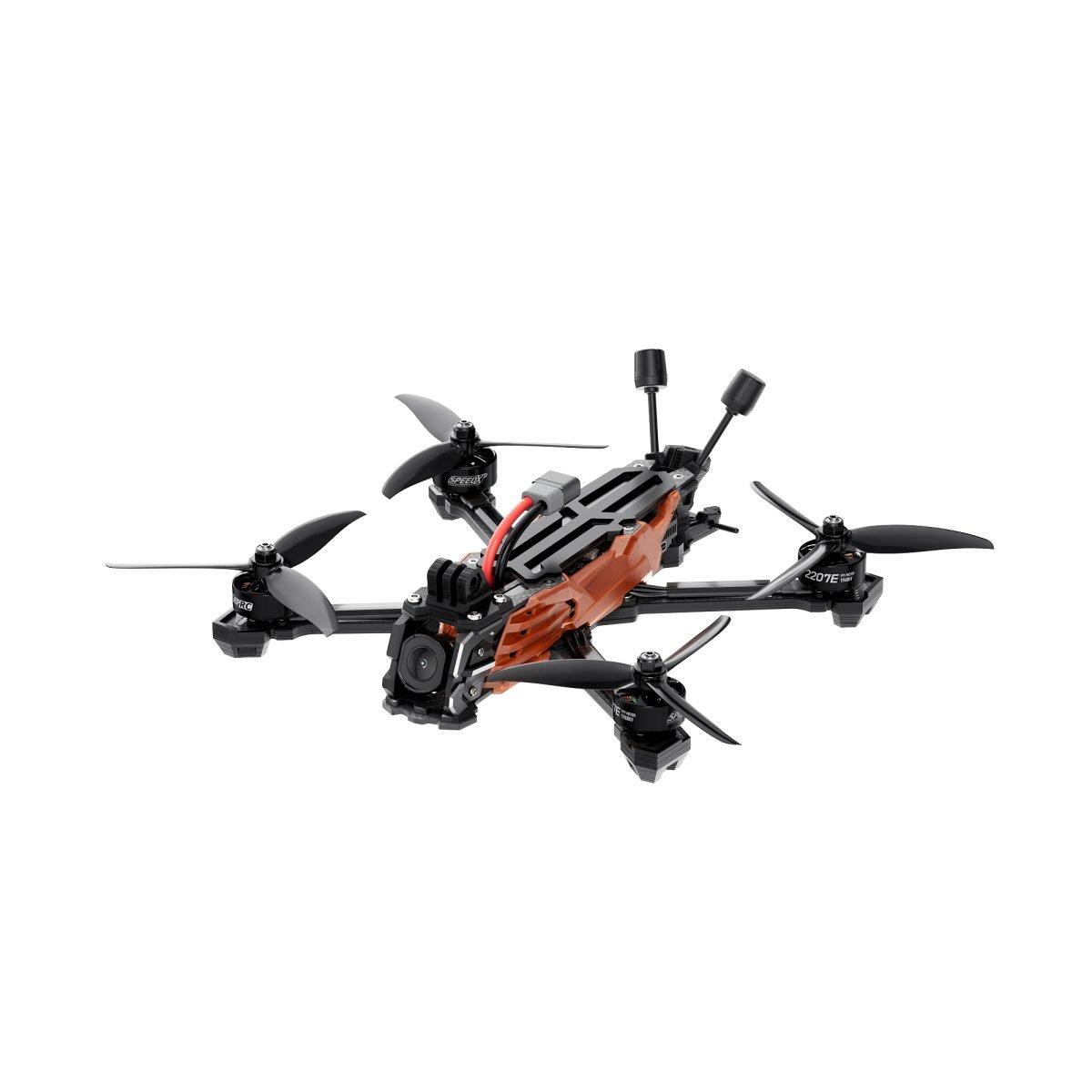
Review the documented FPV configuration, quotation confirmations and acceptance checks before lawful procurement or use....

An archived FPV industry note that separates recorded information from current facts a buyer should confirm....

An archived FPV industry note that separates recorded information from current facts a buyer should confirm....

An archived FPV industry note that separates recorded information from current facts a buyer should confirm....

An archived FPV industry note that separates recorded information from current facts a buyer should confirm....
Introduction You’ve mastered flying in the simulator. You can hover, dive, orbit, and recover from spins. But now comes the big question: Are you ready to fly your FPV drone in rea...
Introduction Control and navigation systems enable FPV drones to operate effectively in complex and unpredictable environments. Military FPV platforms rely on these systems to deli...

 Tel: +86-15059599996
 Email: info@fpvdroneskit.com
 MP/WhatsApp: +86-15059599996
 Manufacturer Address:Quanzhou Valley Nanan Science and Technology Innovation Center, No. 89 Shijing Avenue, Shijing Town, Nanan City, Fujian Province